
Water-Resistant Laminate vs SPC Flooring: An 8 Step Checklist for a Floor That Lasts
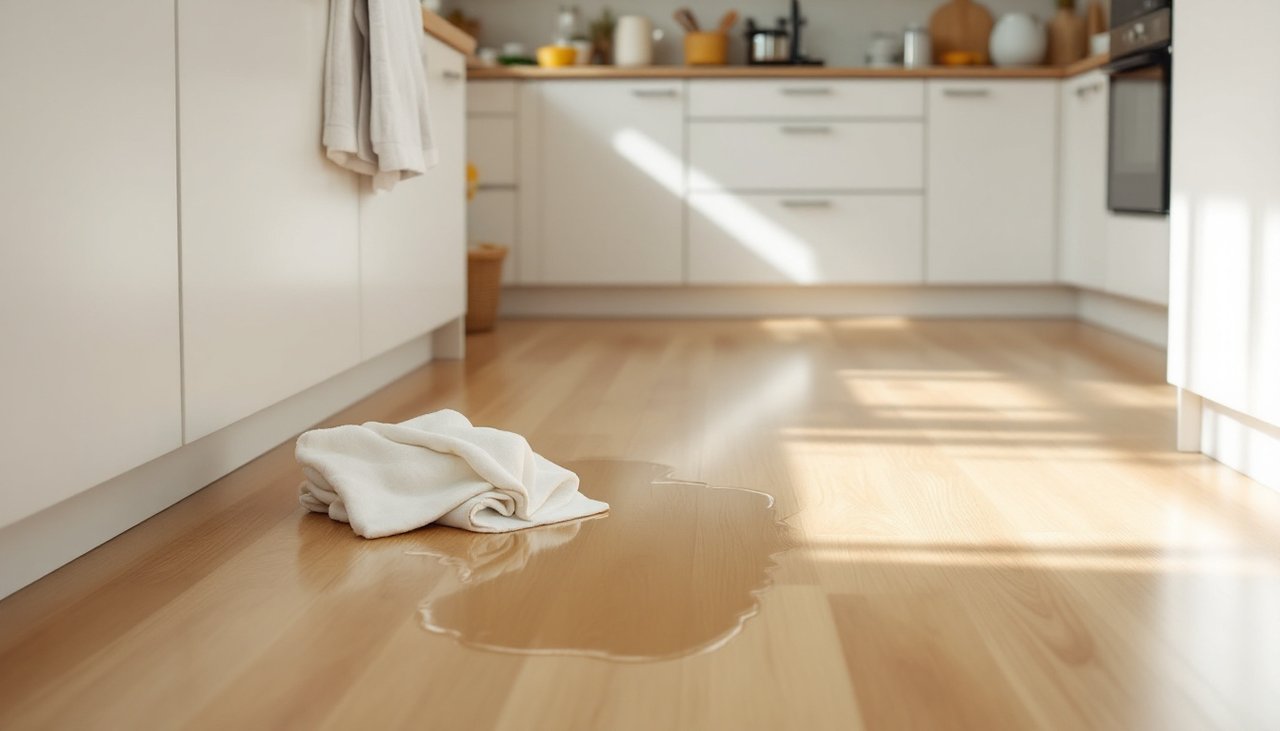
It is Saturday afternoon and you have two sample boards on the kitchen bench. One is a water-resistant laminate, the other is an SPC plank the salesperson called "basically waterproof". They look almost the same. The kids have already tracked wet shoes across the old vinyl twice today, the dog's water bowl lives by the back door, and you are about to spend a lot of money on a floor you hope to forget about for the next fifteen years. Every website says its product is the tough one. Nobody tells you how to actually decide.
That is the gap this checklist fills. Work through the eight steps below in order and you will know which type of floor suits each room in your home, which questions to ask before you sign anything, and where the honest limits of each product sit. If you would rather walk through it with someone, our Auckland team is happy to talk it over with you whenever suits, with no pressure to buy.
1. Name the Wettest Spot in Each Room First
Before you compare any boards, walk through the house and write down where water actually lands. Be specific. "Kitchen" is not enough; "in front of the dishwasher and the sink" is. Do the same for the laundry, the back entry, the hallway from the garage and any room with a ranch slider that opens onto a deck.
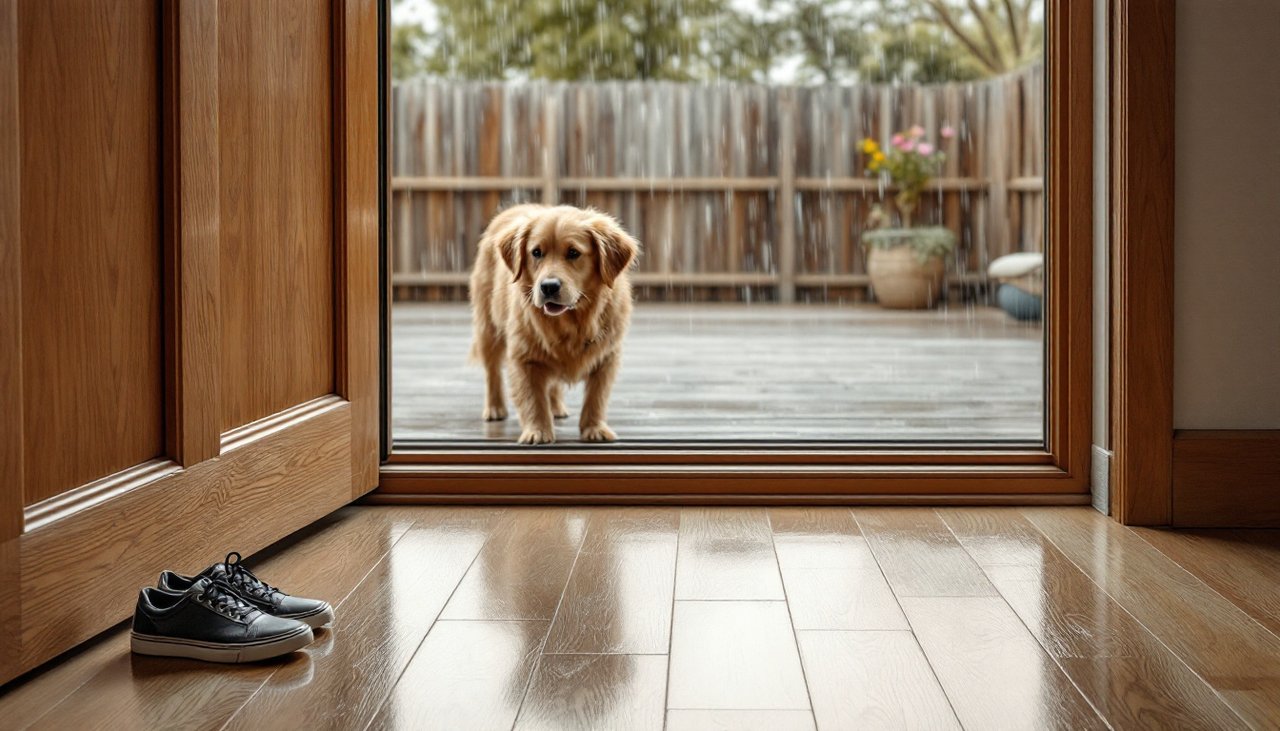
Then sort every spot into one of two groups. The first group is everyday moisture: spills, wet shoes, a dripping dog, a mop that is a bit too wet. The second group is standing or repeated water: around a toilet, beside a shower, under a washing machine with an ageing hose, or anywhere water can sit for hours before anyone sees it.
This split matters more than any brand claim. A water-resistant laminate such as AquaREPEL is designed for the first group. It gives you time to wipe up a spill, but it is not built for water that sits. SPC (stone plastic composite) has a core that does not swell when wet, which makes it the stronger candidate for the second group, although the joints and the subfloor underneath still need protecting. Wet areas such as bathrooms also come with Building Code expectations; the E3 Internal Moisture guidance on building.govt.nz is worth a read before you choose any floor for a room with a shower or toilet.
- List every wet spot room by room before you look at products.
- Sort each one into everyday moisture or standing water.
- Rooms with standing water need a different conversation from rooms with spills.
2. Check What the Core Is Made Of
Once you know where the water goes, flip the sample boards over and look at the core. This is the layer that decides how the floor behaves when something goes wrong.
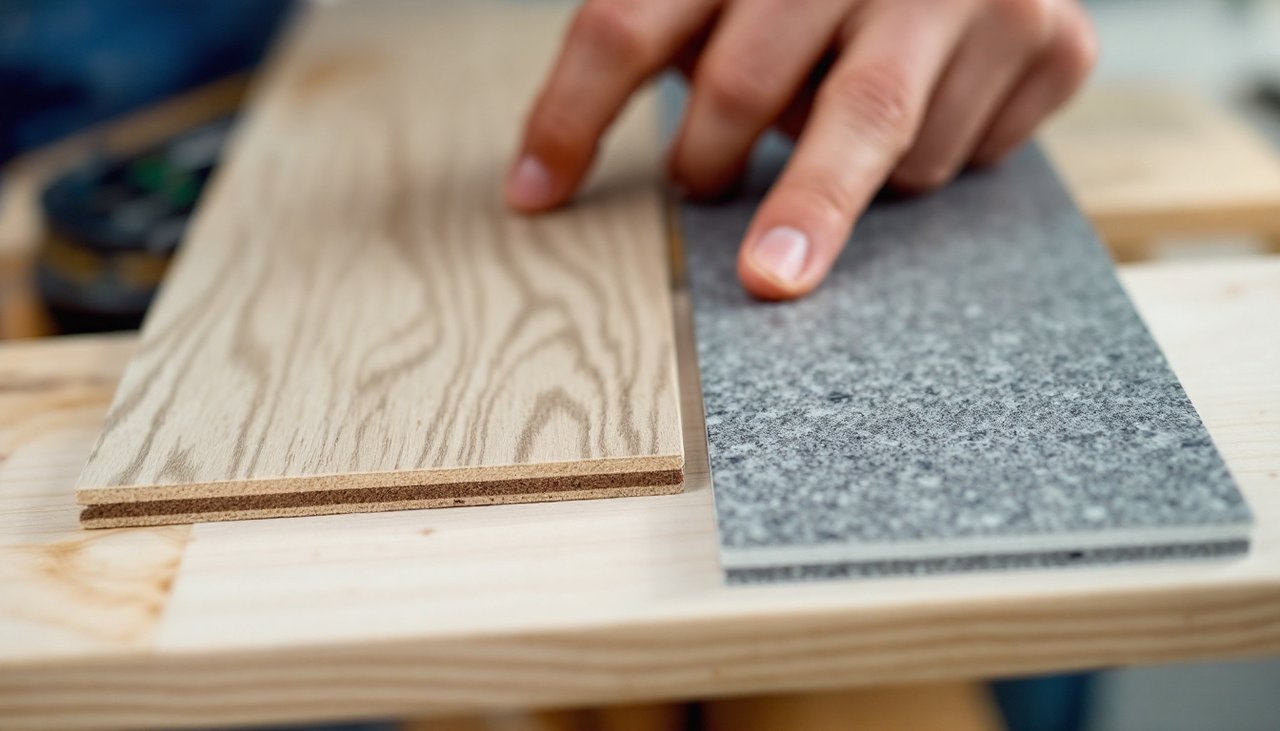
Laminate uses a high density fibreboard (HDF) core: compressed wood fibre with a printed decor layer and a hard wear surface on top. Wood fibre can swell if water gets into it, which is why the edges matter so much. AquaREPEL boards use a 12mm HDF core with sealed edges and a Uniclic four sided wax coated joint, so moisture has a much harder time getting into the board from a spill.
SPC uses a rigid core made from limestone powder and PVC, with a printed film and a vinyl wear layer on top. Because there is no wood fibre in the core, it does not swell from water in the same way. That is its real strength. The trade off is that it is a plastic based product, which some homeowners prefer to avoid, and it usually feels and sounds different underfoot (more on that in step 3).
Neither core makes the floor a sealed tray. Water that runs through gaps at the walls, doorways or pipes can still reach the subfloor below either product.
- Ask what the core is made of, not just what the surface looks like.
- An HDF core relies on sealed edges and quick clean ups; an SPC core resists swelling.
- Water can still get under any floating floor through gaps at the edges.
3. Stand on Both Floors and Listen
This is the step most people skip, and it is the one they notice every day after the floor goes down. Ask to stand on a laid section of each floor in a showroom, in socks and in shoes. Drop a set of keys. Walk briskly.
A 12mm laminate board has real body to it. It feels solid underfoot, and the extra thickness helps the click joints stay stable across a large open plan area. SPC boards are generally thinner and harder. Some people love that crisp, firm feel; others find it sounds a little hollow or clicky, especially in heels or with a dog's claws.
Sound is even more important if you live in an apartment or townhouse with neighbours below. Whichever floor you choose, the underlay and the body corporate rules will decide whether it is acceptable, so check both before you settle on a product. Your underlay choice also changes how warm and quiet the room feels, so treat it as part of the floor rather than an extra.
- Walk on a laid sample of each floor in shoes and in socks.
- Thicker laminate tends to feel more solid; SPC tends to feel firmer and harder.
- Sort out underlay and any body corporate rules before you pick the board.
4. Read the Wear Rating and Warranty Line by Line
Now get the spec sheets out. Laminate and SPC describe toughness in different ways, so you cannot compare them by glancing at one number.
Laminate uses an AC abrasion rating. AquaREPEL is rated AC4, which covers heavy residential use and general commercial use. In practice that means busy hallways, family kitchens and living areas with pets. SPC usually quotes the thickness of its wear layer instead. Ask the supplier to explain what that thickness means for a home like yours, and how it relates to scratches from pets and grit.
Then read the warranty, slowly. AquaREPEL carries a 35 year factory structural warranty. For any floor, check what the warranty actually covers (structure, wear, fading, water), how long each part lasts, and what conditions apply. Many water related claims depend on the floor being installed to the manufacturer's instructions and spills being cleaned up within a set time. You can see how our cover works on the product warranty page, and the full certification and test reports are on our certifications page.
- Compare AC ratings for laminate and wear layer details for SPC; they are different scales.
- Check exactly what the warranty covers, not just how many years it runs.
- Note any installation or clean up conditions that could affect a water claim.
5. Inspect the Subfloor and the Sun Before You Commit
Even the best board will struggle on a poor base. Both laminate and SPC are floating floors that click together, and both need a flat, dry, clean subfloor. Concrete slabs, common in newer Auckland and Christchurch homes, should be tested for moisture before anything goes down. Older timber floors in villas and bungalows may need levelling or extra fixing to stop movement.
Next, look at the light. Big north facing windows and sliding doors can put a lot of heat into a floor in summer. Laminate with an HDF core handles normal household temperatures well when it is laid with the right expansion gaps. Rigid core SPC is more stable than older flexible vinyl, but some manufacturers still give specific guidance about direct sun and high temperatures, so read it for any SPC product you are considering. Fading is worth asking about for both.
Finally, think about heating. If you have or are planning underfloor heating, confirm that the exact product and underlay you choose are approved for it and what surface temperature limits apply.
- Get the subfloor checked for flatness and moisture before you choose.
- Read each product's guidance on direct sun, heat and expansion gaps.
- Confirm underfloor heating compatibility for the specific board and underlay.
6. Live With the Samples for a Full Week
Samples on a bench under showroom lights tell you very little. Take two or three boards of each type home and leave them on the floor in the actual rooms for a week.
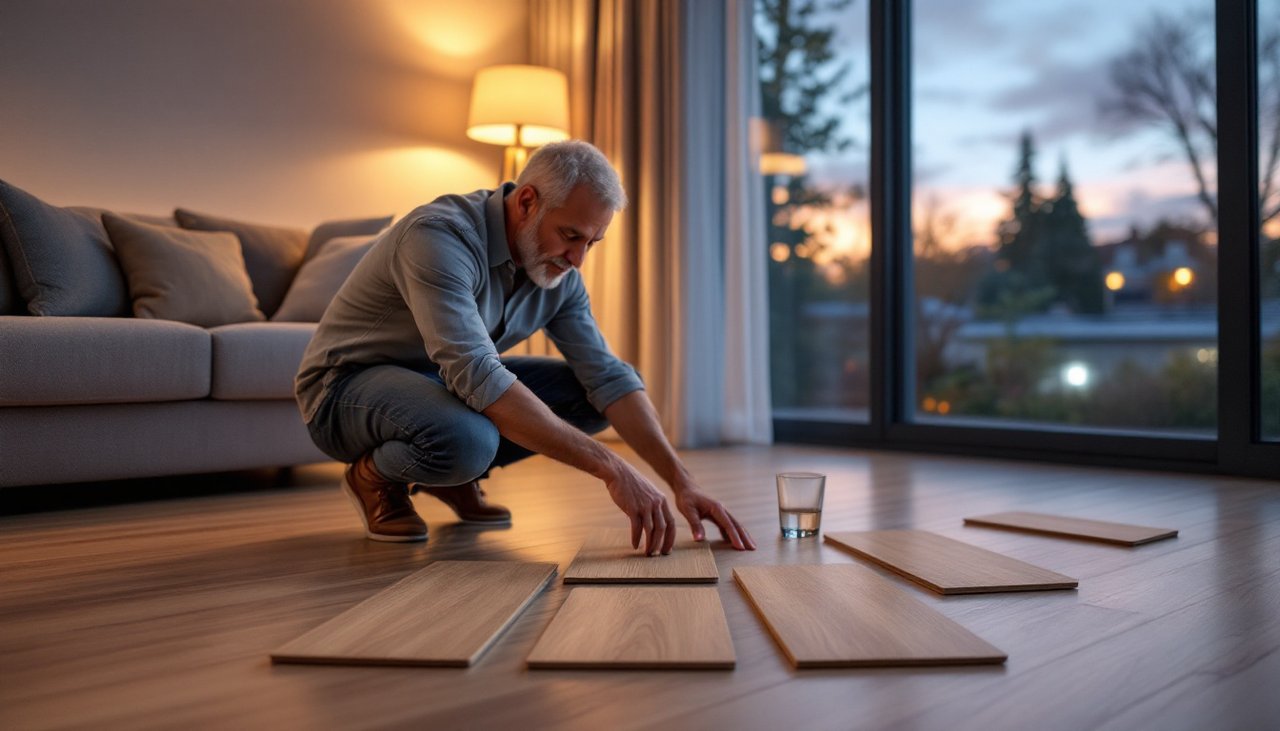
Look at them in the morning, at midday and at night under your own lights. Laminate today can carry a deep embossed texture that follows the printed grain, so it catches light much like real oak. SPC decors have improved a lot too, but the surface often has a different sheen. Put a chair on them, spill a little water and wipe it up, walk over them with wet shoes. See which one you still like after day five, not day one.
If you are leaning toward oak looks, AquaREPEL comes in plank lengths of 1214mm, 1515mm and 1800mm, and longer boards can make a room feel calmer and more open. Compare formats as well as colours.
- Test samples at home for at least a week, not in the showroom.
- Check them in morning, afternoon and evening light.
- Try a small spill and a wet shoe test on each sample.
7. Ask Three Questions Before You Sign a Quote
By now you probably know which way you are leaning. Before you sign anything, ask the supplier or installer these three questions and write down the answers.
First, how will the floor be finished at the edges, doorways and wet spots? Scotia, transitions and sealant around pipes and kitchen kickboards are where water usually finds its way in, whichever product you choose. Second, who installs it and does that installation keep the warranty valid? A floor laid outside the manufacturer's method can lose its cover. Third, what is the plan if the room you want covered actually needs a fully waterproof system? A good supplier will tell you honestly when laminate is not the right fit, even if it is what they sell.
That last question is how you spot advice you can trust. We sell AquaREPEL water-resistant laminate, and we will still tell you when a bathroom or laundry with standing water needs something else. For kitchens, entries, hallways and family living areas with everyday spills, our AquaREPEL water-resistant laminate flooring is designed to give you the look of oak with sealed edges that cope with real family life. If you are still weighing up the wider laminate versus vinyl question, our honest laminate vs vinyl comparison on the blog covers the broader pros and cons.
- Ask how edges, doorways and pipes will be sealed and finished.
- Confirm the installation method keeps the warranty intact.
- Trust the supplier who tells you when their product is not the right fit.
8. Clear Up the Questions People Ask Most
Is water-resistant laminate as good as SPC in a kitchen?
For most kitchens with everyday spills, a sealed edge water-resistant laminate like AquaREPEL performs well as long as spills are wiped up promptly. SPC has the edge if water regularly sits on the floor for long periods, for example under a leaking dishwasher.
Can I put AquaREPEL in a bathroom?
We do not recommend water-resistant laminate in bathrooms with showers, baths or standing water. Those rooms need a fully waterproof wet area system, and you should check the Building Code expectations for wet areas before choosing any floor.
Which feels better underfoot, laminate or SPC?
A 12mm laminate board generally feels more solid and substantial, while SPC tends to feel firmer and harder. The best way to decide is to stand on a laid sample of each in shoes and in socks.
Does SPC or laminate last longer?
Both can last many years when they suit the room and are installed correctly. Compare the AC rating for laminate with the wear layer details for SPC, and read exactly what each warranty covers, as AquaREPEL carries a 35 year factory structural warranty.
- SPC suits rooms with standing water; water-resistant laminate suits everyday spills.
- Bathrooms with showers need a fully waterproof system, not laminate.
- Feel, warranty and installation detail matter as much as the water claim.
Whichever way you go, the right floor is the one that matches the water in each room, feels good to live on and comes with a clear warranty. When you are ready, our Auckland team can bring samples to your home, look at the subfloor and talk through each room with you. Get in touch for a free measure and quote whenever the timing suits you.