
Laminate vs Vinyl Flooring in NZ: An Honest Comparison
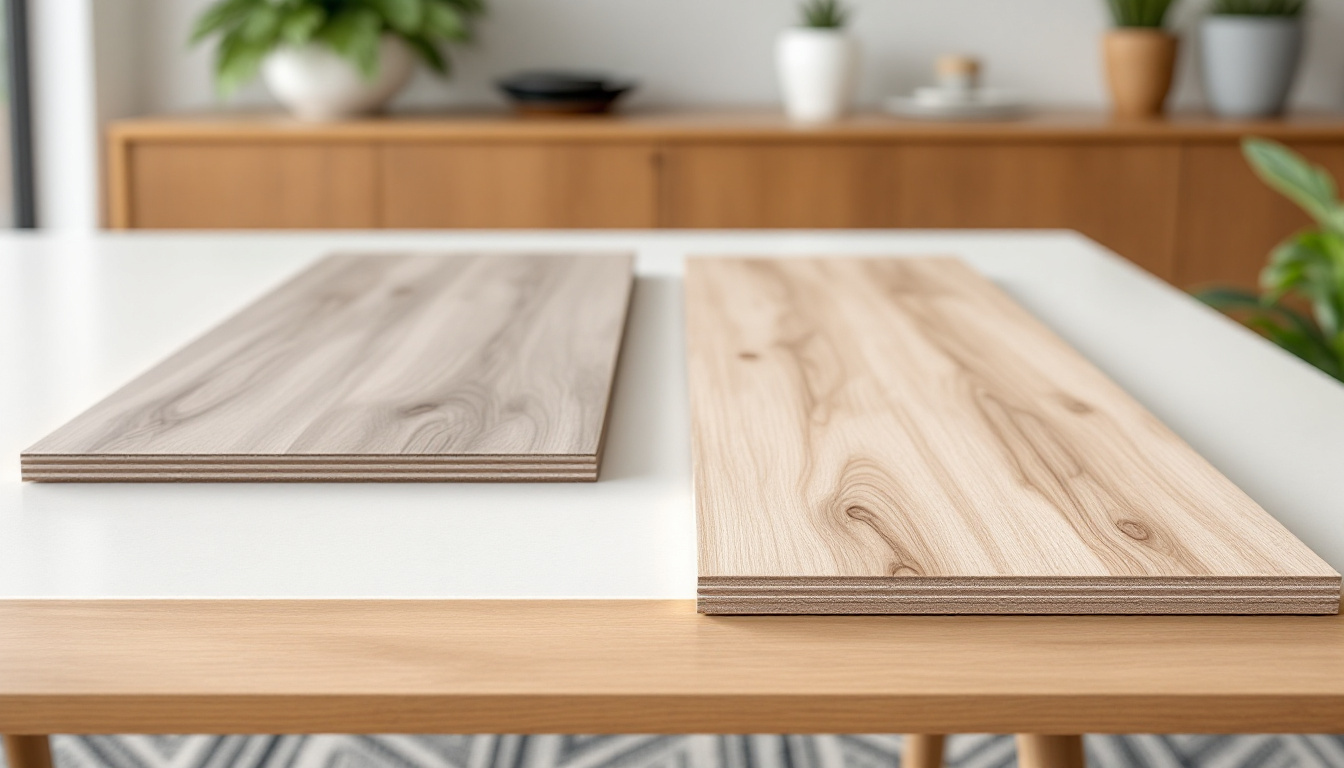
Laminate is usually the stronger shortlist when a homeowner wants a rigid, plank-like timber appearance and the selected room suits the product. Vinyl deserves serious consideration when the project brief prioritises a resilient vinyl construction or room conditions that a particular vinyl system is documented to handle. Neither category wins every room.
Power Dekor sells laminate and engineered hardwood flooring, not vinyl. That matters. This guide can explain the category differences and help you write a better brief, but vinyl-specific claims, samples, installation details and warranties should be confirmed with a qualified vinyl supplier. Pretending otherwise would turn a useful comparison into sales theatre.
If your brief points toward laminate, browse Power Dekor Premium Laminate flooring and request samples or a measure and quote. For kitchens and entries, compare our AquaREPEL water-resistant laminate instead, for example Greige Natural Oak. If it points toward vinyl, take the same checklist to a vinyl specialist and compare exact products.
1. Construction: similar looks, different materials
Laminate is generally a layered, wood-based flooring product with a decorative surface and protective wear layer over a core. Vinyl flooring uses resilient synthetic layers in constructions that vary by product type. Both categories can produce plank formats and timber visuals, but a similar photograph does not make them interchangeable.
The distinction affects feel, dimensional behaviour, moisture claims, installation requirements and the documents you need to read. It also means that broad category statements have limits. A rigid vinyl plank, a flexible vinyl product and different laminate ranges may behave differently. Compare exact candidates, not an idealised version of each category.
2. Appearance and feel: compare the installed surface, not website thumbnails
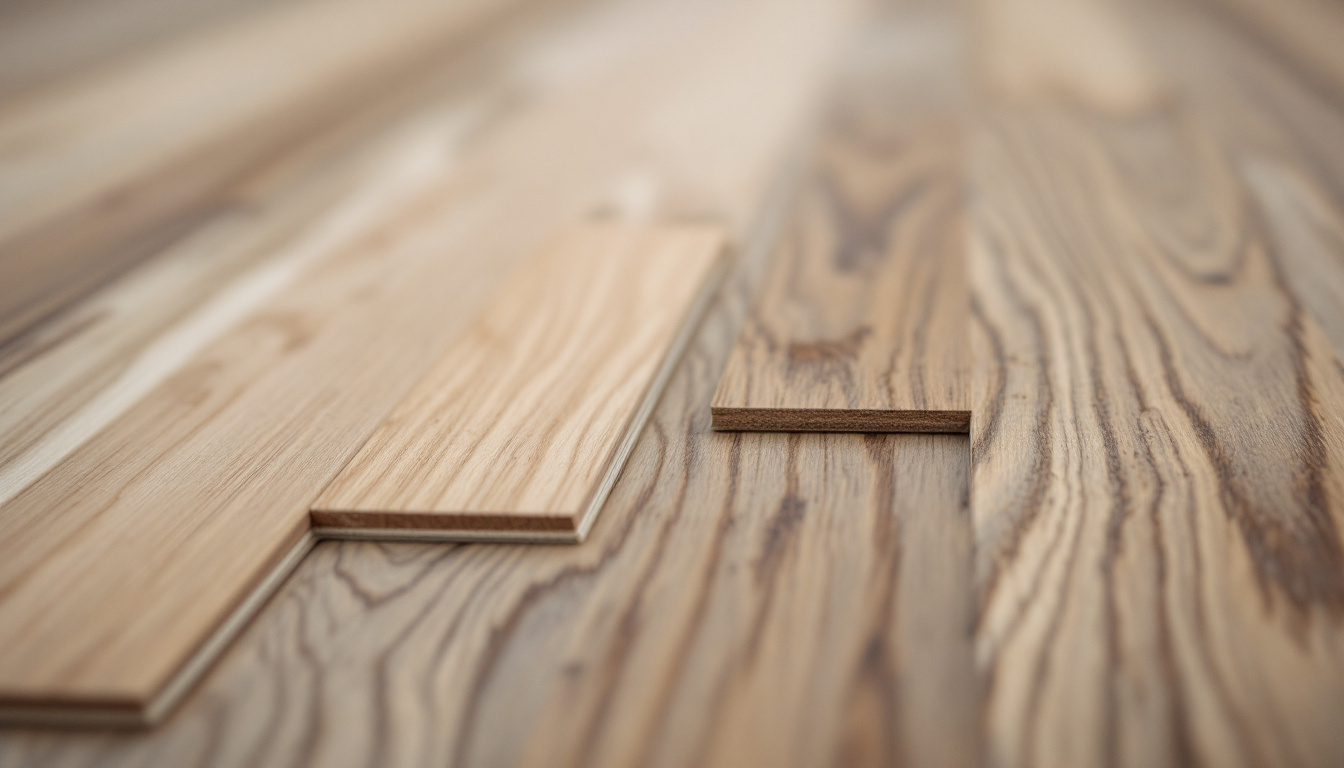
Both categories can reproduce oak and other timber looks. The result depends on print quality, pattern variation, texture, bevel detail, plank proportions and how the floor responds to light. Laminate often appeals to buyers who want a rigid board and a distinct plank presentation. Vinyl may appeal to buyers who prefer the feel and practical properties of a resilient floor.
Those are tendencies, not guarantees. Ask to see several boards or planks from the exact product. Look for repeated knots, abrupt pattern changes and edge details. Walk on installed displays if available. A small sample cannot show repetition across a lounge or the acoustic character of a complete installation.
Take samples home and view them beside fixed cabinetry, skirting and furniture. Compare them under morning light, evening light and artificial lighting. The more realistic comparison is not laminate versus vinyl in the abstract. It is candidate A versus candidate B in your room.
3. Moisture: read the scope behind each claim
Vinyl is often shortlisted for moisture-prone spaces because the material itself can offer strong water resistance. That does not make every vinyl installation immune to water beneath the floor, perimeter detailing failures, substrate moisture or building-related leaks. The product and complete installation still have conditions.
Some laminate ranges provide documented surface-spill or water-resistance features. Those claims must be read precisely. They do not turn the floor into a waterproof membrane and do not automatically approve every kitchen, laundry or bathroom application.
For either category, define the exposure first. An occasional wiped spill is different from standing water, a leaking dishwasher, wet footwear every day or moisture rising from a slab. Confirm the exact product's approved rooms, perimeter treatment, substrate requirements, cleaning method and exclusions.
4. Comfort and sound: judge the complete assembly
People often describe vinyl as softer or quieter and laminate as firmer underfoot. Product construction, thickness, backing, underlay, substrate and room acoustics can all change that impression. A loose sample held in a showroom is not the completed floor.
Ask what sits beneath the selected product and whether the assembly has relevant acoustic evidence for the project. Apartment or body corporate requirements need particular attention. A generic sound-reduction number cannot be assumed to satisfy a specific building requirement unless the tested assembly and project conditions align.
Thermal comfort also depends on more than category. Substrate temperature, sunlight, heating systems and the product's documented compatibility matter. If underfloor heating is part of the brief, confirm approval and operating limits for the exact floor rather than relying on a category-level answer.
5. Durability: ask what kind of damage concerns you
Durability is not one scale. A household may care about abrasion from grit, chair movement, pet claws, dropped objects, indentation from concentrated loads, staining or moisture. Laminate and vinyl products can respond differently to those challenges, and quality varies within both categories.
Laminate buyers should examine the exact use classification, surface documentation and care requirements. Vinyl buyers should ask the vinyl supplier about wear layer, indentation, dimensional stability and product-specific limitations. Do not accept an unexplained number as a complete durability answer.
Prevention remains relevant to both. Use effective entrance mats, maintain clean furniture protectors, lift heavy items and follow approved cleaning instructions. A product warranty is not permission to ignore grit, leaks or unsuitable cleaning equipment.
6. Installation and subfloor: neither category erases preparation
Laminate is commonly installed as a floating floor, although the exact product instructions govern the method. Vinyl products may use floating, loose-lay or adhered systems depending on construction. Each method places different demands on substrate preparation, movement details, adhesive selection and sequencing.
A floating system is not a licence to cover a poor substrate. An adhered product does not make moisture disappear. Existing floor removal can reveal ridges, hollows, cracks, movement or moisture that affect preparation. Doorways, stairs, cabinetry, transitions and finished floor height must be planned before installation.
When comparing quotes, make the scope visible. Include removal and disposal, preparation, moisture assessment, underlay or adhesive, trims, delivery, installation and exclusions. A cheap square-metre product can still produce a costly project if the substrate needs substantial work. The reverse can also occur.
7. Cleaning, repair and replacement: test the long-term routine
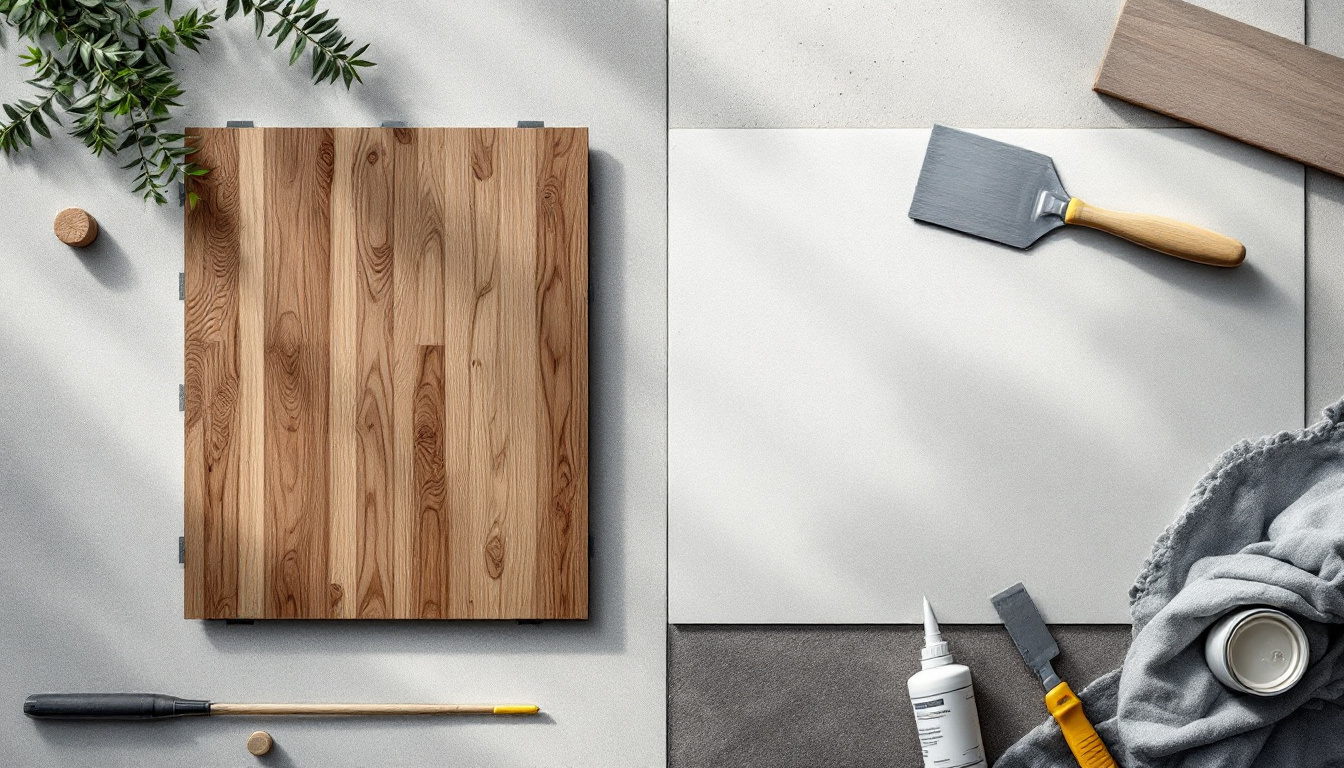
Both categories need routine grit removal, prompt spill response and cleaning methods approved by the manufacturer. Neither benefits from uncontrolled water or harsh methods that conflict with its care guide. Ask whether the household's preferred vacuum, mop and cleaning products are suitable.
Also ask what happens after local damage. Can individual planks be accessed, and what disruption would replacement cause? Will the installation method make a repair straightforward or invasive? Can spare material from the same product be stored appropriately? Colour and pattern availability can change over time, so a reasonable spare quantity may be useful when recommended.
Do not assume either category can be sanded and refinished like genuine timber. If future surface renewal is a central requirement, engineered hardwood may deserve a separate comparison based on the exact wear layer and renovation advice.
When laminate is the better brief
Laminate belongs near the top of the shortlist when the room is product-approved, the household wants a rigid plank presentation, the preferred décor and texture are available, and the installation system works with the substrate and transitions. It can be a practical route to a timber-look interior without buying a genuine timber surface.
That recommendation remains conditional. Confirm moisture exposure, use suitability, underlay, movement details, care and warranty before buying. A laminate selected only because it is thick or described with a water-related term has not passed a proper comparison.
When vinyl deserves the stronger shortlist
Vinyl deserves closer investigation when the project specifically calls for a resilient vinyl construction, when its underfoot character is preferred, or when an exact vinyl product has documented suitability for the room conditions. The right next step is to consult a vinyl specialist, inspect samples and verify the complete system.
Power Dekor does not sell vinyl, so it would be misleading to recommend a particular vinyl construction or make promises about vinyl performance. Use the criteria in this article to question a qualified supplier. A neutral brief is more valuable than a retailer pretending its own category wins automatically.
A two-minute decision test
- Write down every room and the highest likely moisture exposure.
- Rank appearance, underfoot feel, sound, indentation, surface wear and maintenance.
- Record the substrate, adjoining floors, doors, stairs and heating conditions.
- Compare exact products and current documents, not category slogans.
- Compare complete installed scopes with exclusions shown.
If laminate passes every non-negotiable and you prefer its board feel and visual result, proceed to a laminate shortlist. If vinyl better matches the exposure, feel or installation brief, take the list to a vinyl specialist. If neither product has documentation for the intended use, neither is ready to buy.
The verdict
Choose laminate for the right laminate room, and vinyl for the right vinyl room. The honest winner is the exact documented product whose complete installation meets the household brief. Category loyalty is a terrible substitute for that evidence.
Does your brief favour laminate? Compare Power Dekor Premium Laminate options, then request samples, a site measure and an installation quote. If vinyl remains the better fit, consult a specialist who sells and installs it.
Frequently asked questions
Is laminate better than vinyl flooring?
Not universally. Laminate may better suit a buyer wanting a rigid timber-look plank, while an exact vinyl product may better suit another room or underfoot preference. Compare documented products and complete installations.
Which is more waterproof, laminate or vinyl?
Vinyl material is often more water-resistant, but no category label settles the complete room. Check joints, perimeters, substrate moisture, installation method, approved applications and exclusions for the exact product.
Which looks more like real timber?
Both categories can produce convincing timber visuals. Compare multiple planks for print variation, texture, bevels, proportions and pattern repetition under the home's actual light.
Is laminate or vinyl easier to install?
It depends on the exact construction and method. Laminate is commonly floating, while vinyl may be floating, loose-lay or adhered. All require a suitable substrate and product-specific preparation.
Does Power Dekor sell vinyl flooring?
No. Power Dekor sells laminate and engineered hardwood flooring. Vinyl-specific product selection and claims should be confirmed with a qualified vinyl flooring supplier.
## Factual boundaries - Power Dekor's stated product scope is laminate and engineered hardwood; the article does not imply vinyl expertise or inventory. - No invented price, lifespan, warranty, rating, acoustic result or blanket room suitability is used. - Category tendencies are framed conditionally and exact product documents remain decisive. - BlogPosting schema is intentionally omitted because WebForger injects it.