
Waterproof vs Water-Resistant Laminate Flooring NZ: The Real Difference
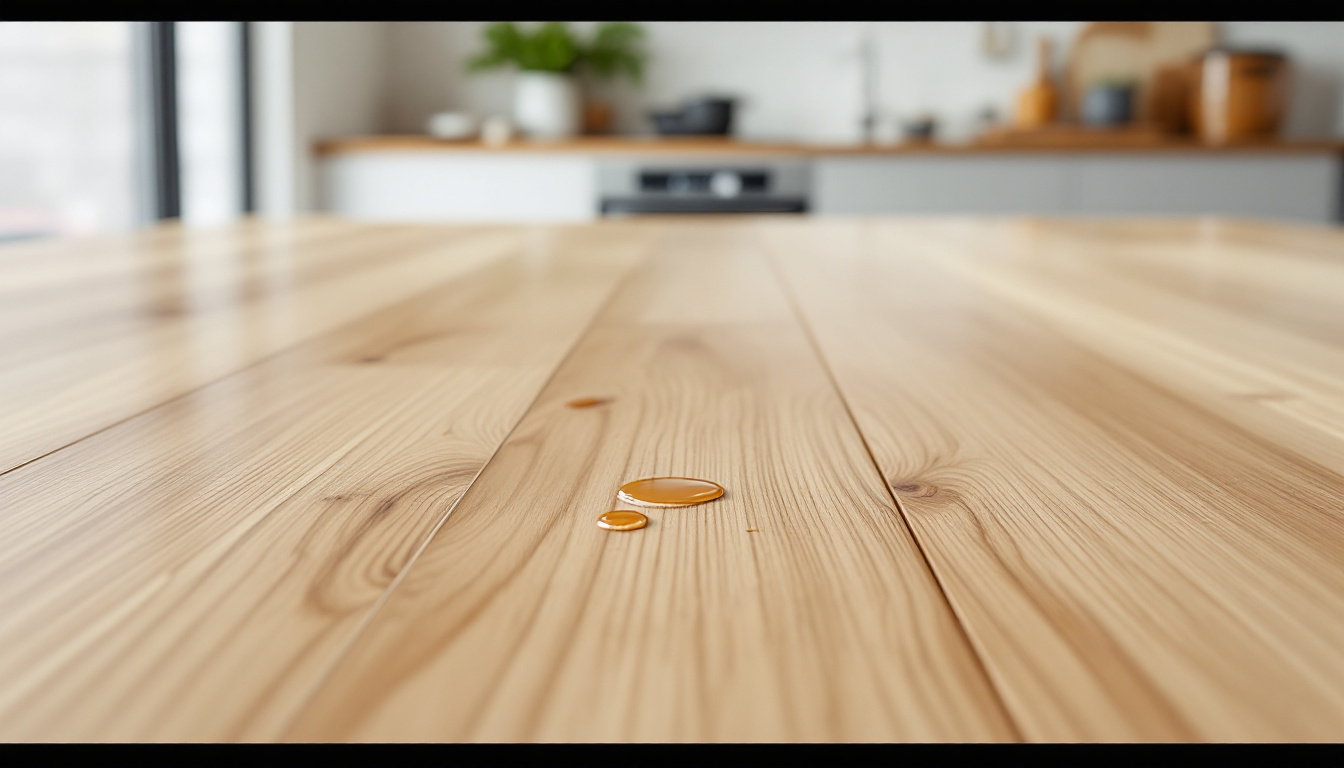
The phrase “waterproof laminate” sounds absolute. In an installed room, it rarely is. A plank may resist water at its surface or joints for a stated test period while the perimeter, cut edges, substrate and spaces beneath the floor remain vulnerable. Water-resistant laminate is the more honest description when performance depends on prompt cleanup and installation conditions.
That distinction matters in New Zealand kitchens, entries and laundries because the costly failure is often not a mark on the decorative surface. It is water moving through a joint, around a pipe, below a floating floor or into a wood-fibre core. No marketing word removes the need to match the exact product, room and installation method.
Comparing laminate for a spill-prone room? Browse AquaREPEL water-resistant laminate flooring, then ask Power Dekor to confirm the current product instructions and room suitability before ordering.
What does water-resistant laminate actually mean?
Water-resistant laminate is designed to slow the effect of everyday surface moisture. Its protection can come from the wear surface, tighter locking joints, treated edges, waxed joint technology or a more moisture-tolerant core. The relevant promise belongs to the complete named product, not to laminate as a category.
Power Dekor describes AquaREPEL as a 12 mm water-resistant laminate with AquaREPEL locking technology and up to 24-hour spill resistance. That is useful decision information, but every part of the sentence matters. It is a time-limited spill claim, not permission to leave pooled water, flood the room or install the floor inside a shower. Current installation, care and warranty documents control the application.
A sensible homeowner reads water resistance as extra time to notice and remove an ordinary spill. It is not a reason to become casual about leaking appliances, wet mats or steam cleaning. The floor still depends on intact joints, correct expansion space, suitable accessories and a dry substrate.
Then what does “waterproof laminate” mean?
The word may describe a laboratory result, a plank material, a joint system or a marketing category. Those are not the same thing. A sample that survives contact with water does not prove that an installed room can contain a dishwasher leak. A waterproof core does not make cut edges, wall junctions and penetrations waterproof. A click floor is not a tank.
Before accepting the label, ask for the data sheet and warranty for the exact product code. Look for the test duration, water depth, temperature, joint preparation and pass criteria. Then look for exclusions covering flooding, standing water, appliance leaks, moisture below the floor, bathrooms, wet rooms and incorrect perimeter sealing. The exclusions often reveal the practical meaning more clearly than the headline.
If the supplier cannot explain whether the claim covers the board, its locked joints or the complete installation, treat “waterproof” as advertising rather than a specification. This is not pedantry. It decides who carries the risk when water reaches the edge of the room.
What is the practical difference in a real NZ home?
For a homeowner, the useful dividing line is not the adjective on the box. It is the event the floor is expected to survive. Water-resistant laminate can be a strong fit for ordinary tracked-in moisture and promptly cleaned household spills. A room that regularly receives direct water, needs drainage or must form part of a compliant wet-area system requires a different level of design.
| Question | Water-resistant laminate | A complete waterproof room system |
|---|---|---|
| Typical event | Small spill or wet footwear, removed promptly | Direct or repeated wetting, drainage or shower exposure |
| What is being protected? | Primarily the plank surface and joint system within stated conditions | The substrate and surrounding building elements through the whole assembly |
| Main evidence | Product test, installation guide and warranty | Specified substrate, membrane, junctions, penetrations and finish |
| Failure to avoid | Water entering joints or travelling under a floating floor | Breaks in waterproofing, falls, drainage or sealed junctions |
This is why a timber-look floor can be appropriate beside a kitchen bench but wrong inside an open shower. The decision changes with exposure, not with décor. In building work involving wet areas, the relevant New Zealand Building Code pathway and the specified assembly also matter. A retailer's product description cannot approve a building solution.
Which rooms can suit water-resistant laminate?
Kitchen
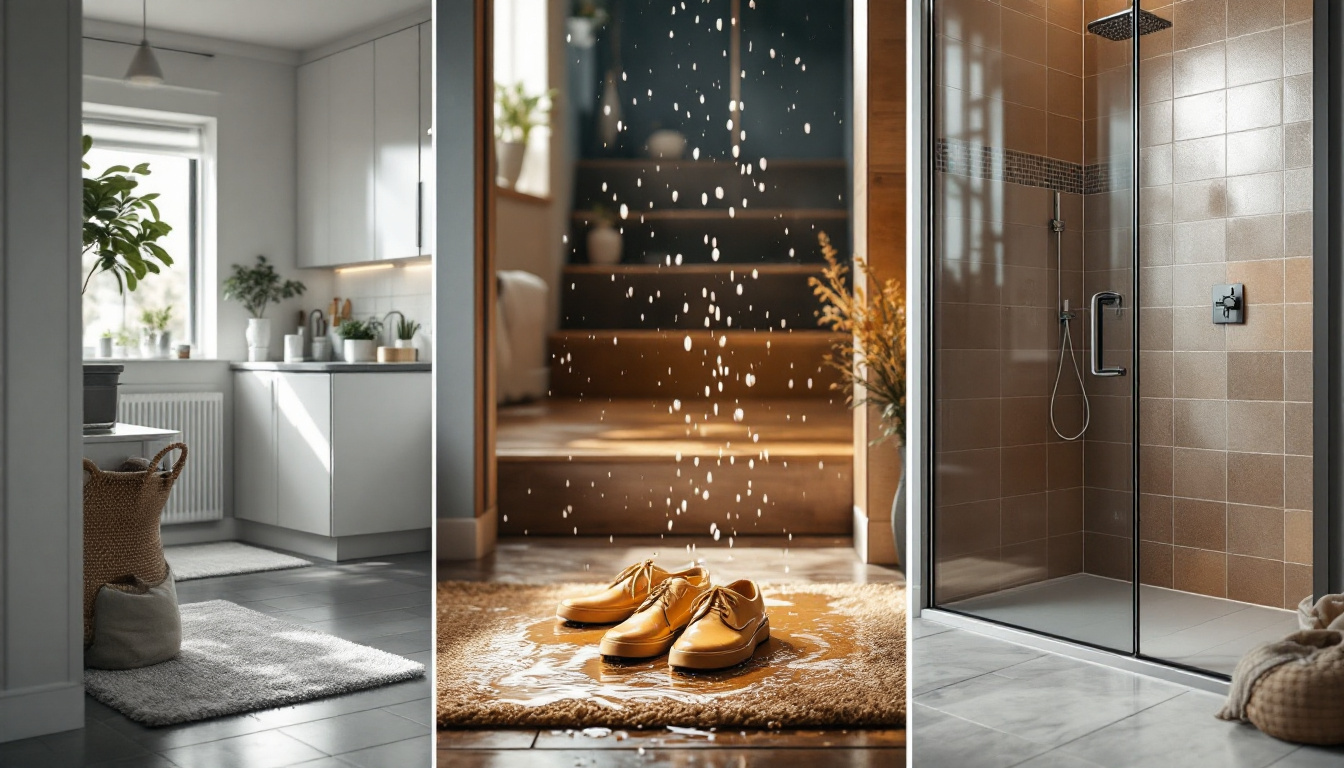
A kitchen connected to a living room is a common use case. The floor receives crumbs, grit and occasional spills, while visual continuity is valuable. Water-resistant laminate may suit when the exact product permits the application, the substrate is sound and dry, and sink, dishwasher and fridge connections are maintained.
The risk is a hidden leak, not a teaspoon of water wiped up immediately. Discuss how flooring runs around fixed cabinetry and appliances, how edges are finished, and whether an appliance can be removed without damaging the floor. Do not assume a 24-hour surface claim covers water trapped underneath.
Entry
An internal entry brings water and abrasive grit together. A suitable laminate can work when a generous matting zone captures debris and occupants remove pooled water. Check exterior thresholds and door seals first. Rain entering through a defective slider is a building issue, not a fair test of flooring.
Laundry
A laundry can remain dry for months and then receive a large appliance leak. That low-frequency, high-consequence event deserves more attention than ordinary splash resistance. Confirm whether the product is approved for the proposed laundry, whether any floor waste and falls remain effective, and how penetrations and perimeters are detailed.
Bathroom and shower
Do not treat laminate as a shower floor or a waterproof membrane. Outside an enclosed shower, suitability still depends on the exact product documentation, room design and compliance pathway. Where water intentionally flows across the floor, specify a complete wet-area system. Calling a plank waterproof does not waterproof the room.
Which questions expose a weak product claim?
Ask the questions below before comparing colours. A good supplier should be able to point to current documents rather than improvise an answer.
- What exact product code and construction does the moisture claim cover?
- Does the test cover the surface, locked joint, cut edge or complete installed system?
- What is the maximum exposure time and what cleanup is required?
- Which rooms are expressly permitted or excluded?
- Are sealants, trims, underlay or installation accessories mandatory?
- Are flooding, plumbing leaks and water beneath the floor excluded?
- What substrate moisture and flatness checks are required?
- Does DIY installation change warranty coverage?
Keep the answers with the quote, installation instructions, invoice and product batch details. If there is a later problem, a vague verbal promise is nearly useless. Written product-specific evidence protects the homeowner and gives the installer a clear system to follow.
Why installation matters as much as the plank
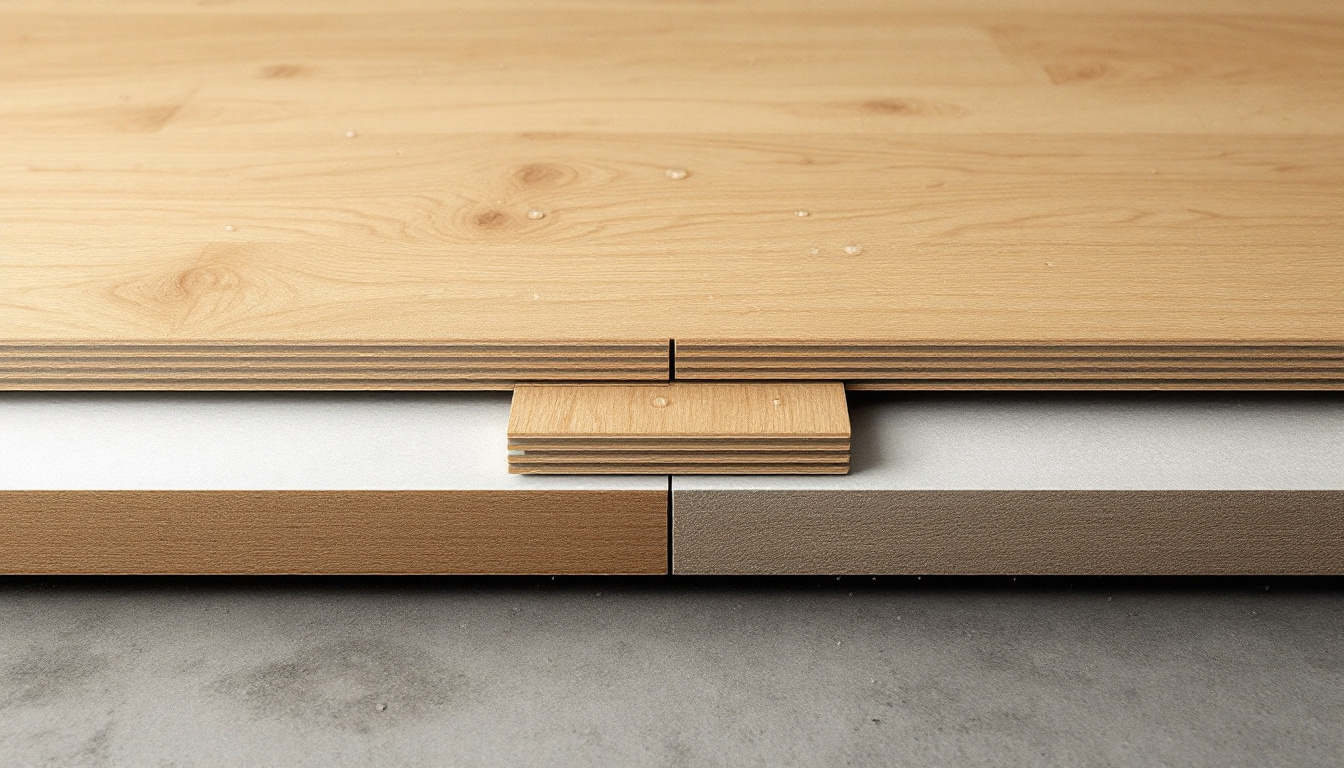
Floating laminate expands and contracts. The installer must preserve the specified expansion space while applying any required moisture detailing. Those two needs can conflict when someone tries to seal every edge without following the system. Improvised silicone is not a substitute for the manufacturer's method.
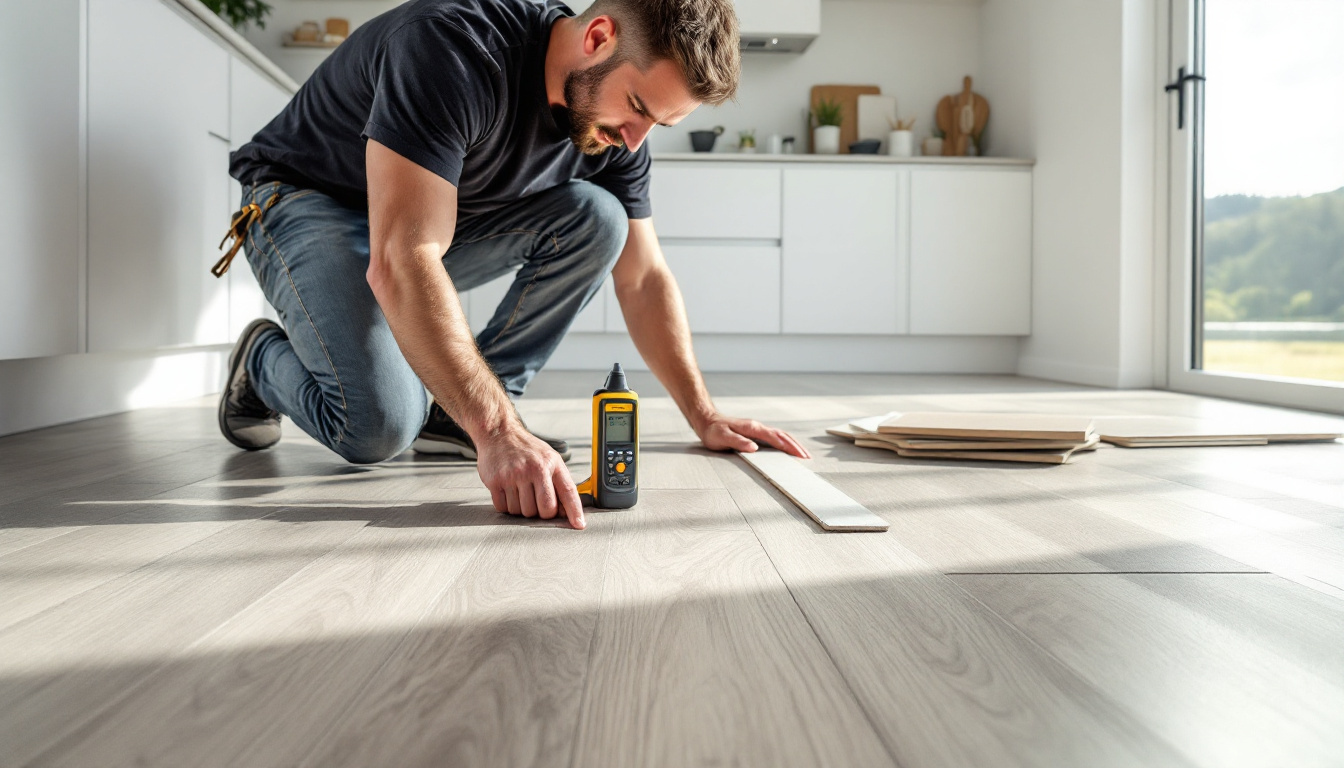
Subfloor moisture is a separate risk. Water-resistant surface technology does not block moisture rising from an unready slab or repair a damp timber substrate. Testing, preparation, vapour control and underlay must follow the product and site requirements. If the substrate is already wet, stop before covering it.
Transitions deserve the same care. Doorways, kitchen islands, pipes and changes to tile or carpet create edges where water may enter or movement may be restricted. A site assessment should identify these details before material quantities and installation cost are finalised.
How should the floor be cared for?
Remove spills promptly even when the stated resistance period is longer. Vacuum grit with a suitable hard-floor head, use only the cleaning method permitted by the care guide, and avoid flooding or steam cleaning unless the manufacturer expressly allows it. Inspect appliance hoses and seals instead of relying on the floor to survive their failure.
Lift mats occasionally so moisture does not remain trapped below them. Keep exterior water outside through sound thresholds and drainage. If a large leak occurs, remove the source and seek advice quickly; the visible surface may dry while moisture remains below the boards.
What should an NZ homeowner choose?
Choose water-resistant laminate when you want a timber look in a normally dry interior that may receive ordinary spills, and when the exact product and installation system clearly allow the room. Choose a documented waterproof wet-area system when water is direct, repeated, intended to drain or capable of reaching building elements. Every colour in the AquaREPEL range, from pale boards such as Ivory Grain Oak to deeper browns such as English Walnut Oak, is the same 12 mm water-resistant construction with the same limits.
Do not pay for a stronger adjective. Pay for evidence: product-specific test information, room approval, correct substrate preparation, approved installation and a warranty whose exclusions you understand. That is the real difference between a confident specification and a label doing all the work.
Frequently asked questions
Is waterproof laminate completely waterproof?
Do not assume so. The claim may apply to the plank surface, core or locked joint under stated test conditions. It does not automatically cover perimeters, cut edges, plumbing leaks, water beneath the floor or the complete room.
Is AquaREPEL waterproof or water-resistant?
Power Dekor describes AquaREPEL as a 12 mm water-resistant laminate with up to 24-hour spill resistance. Treat this as conditional protection for surface spills and follow the current installation, care and warranty documents.
Can water-resistant laminate go in a kitchen?
It may suit a kitchen when the exact product permits the application, the substrate and installation meet its requirements, and spills and appliance leaks are managed. Confirm the system before ordering.
Can laminate be used in a bathroom in New Zealand?
There is no blanket yes. Do not use it as a shower floor or waterproof membrane. Suitability elsewhere in a bathroom depends on product approval, the room design, installation details and the applicable compliance pathway.
Does a water-resistant floor protect against a damp slab?
No. Surface moisture resistance does not repair an active moisture source. The substrate must be tested and prepared according to the flooring system before installation.
Choose the system, not the slogan. Explore the AquaREPEL range and request product-specific room and installation guidance from Power Dekor.