
Pet-Friendly Laminate Flooring NZ: A Practical Guide for Dogs and Cats
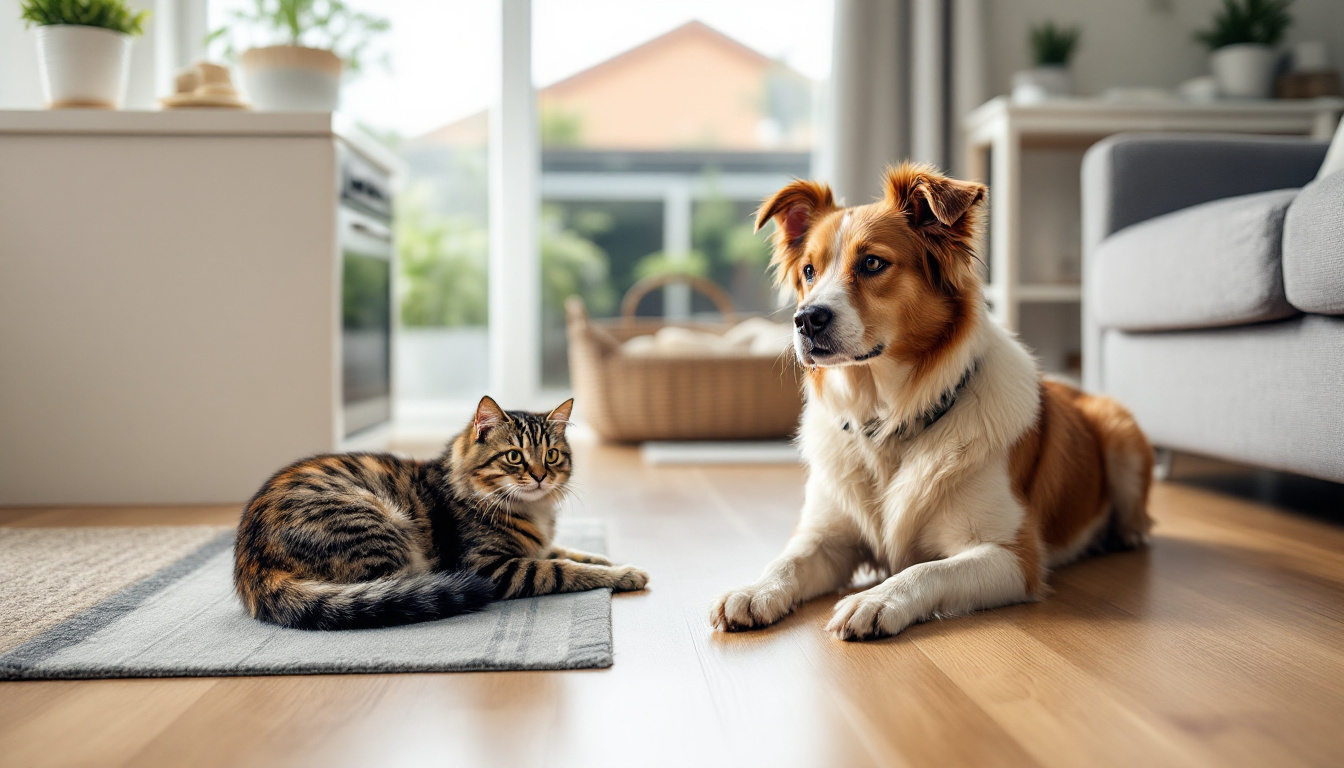
The first flooring sample looked perfect on the kitchen bench. Then the family dog arrived from the garden with wet paws, the cat launched from a chair, and a water bowl moved halfway across the room. That five-minute scene was more useful than any label saying “pet-friendly”. It showed the real job: the floor had to cope with claws, grit, small spills, frequent cleaning and the occasional accident without turning the home into a showroom nobody could live in.
Laminate can be a practical choice for homes with dogs and cats, but no laminate is immune to scratching, moisture or poor installation. The right decision depends on the exact product, the animal, the room and the household routine. A strong pet-flooring plan reduces risk instead of pretending risk disappears.
Comparing flooring for a home with pets? Browse AquaREPEL water-resistant laminate flooring, then ask Power Dekor to confirm current product instructions and suitability for your rooms.
The household wrote a pet brief before choosing a colour
The home had one energetic dog, one indoor cat, an open kitchen and living area, and a glazed door leading to the garden. That combination created four different pressures. The dog brought moisture and grit through one entrance. The cat created short, sharp claw contact when changing direction. Food and water bowls produced repeated small spills. The connected space meant the owners wanted one continuous timber look rather than a patchwork of finishes.
Instead of asking for the “best pet floor”, they described those events to the flooring adviser. That changed the conversation. The useful questions became specific: Which current laminate ranges permit the intended rooms? What moisture claim applies to the exact product? How should the entrance be protected? What cleaning method is approved? Can a damaged plank be replaced, and should spare boards be retained?
This is the first lesson for any New Zealand pet owner. Breed labels and generic pet advice are too crude. A calm older dog on trimmed nails creates a different load from a large young dog that races toward a slider. An indoor cat creates different moisture risk from a dog that swims. Describe behaviour, access points, bowl locations and cleaning habits before discussing décor.
The samples were tested for traction, visibility and cleanability
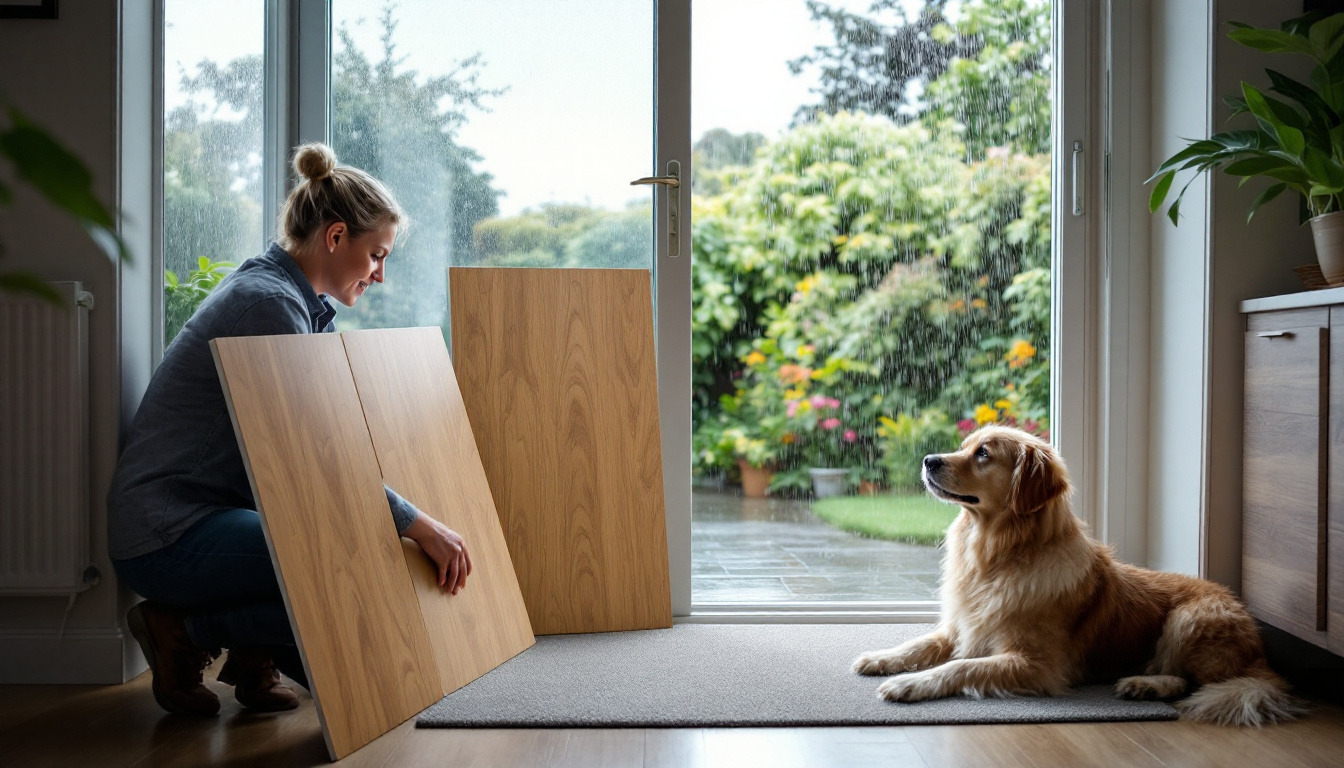
The family did not try to destroy the samples. A home test cannot reproduce a manufacturer test and should not be used to invent a performance guarantee. Instead, they used samples to compare practical details. They placed each one under normal room light, looked at how visible loose fur and dust appeared, and checked whether the surface felt uncomfortably slick under the dog's ordinary walking pace.
Surface texture matters because an animal needs reliable footing, particularly when ageing, recovering from injury or moving quickly. Yet texture alone does not prove slip performance. If traction is a major concern, ask for product-specific technical information and involve a veterinary professional where the animal has mobility needs. Rugs or runners may still be sensible in turning zones, but they must use a backing compatible with the flooring and should not trap moisture.
Colour and pattern also changed the maintenance experience. A very dark, uniform board made light fur and dust obvious. A highly pale board showed garden soil. A mid-tone, varied timber pattern disguised ordinary debris between cleaning sessions without hiding actual spills. That was not a technical performance advantage, but it was a genuine household advantage. A floor that looks acceptable during a normal week is easier to live with.
For cleanability, the owners followed the type of method they would use at home: removing dry grit first, then using minimal moisture according to the supplier's guidance. They did not soak samples, use steam or improvise harsh cleaners. The exact care document, not a social-media cleaning hack, must control what goes on the installed floor.
The scratch-proof claim was removed from the shortlist
The family wanted reassurance about claws. The honest answer was that a surface may resist ordinary wear better than another, but “scratch-proof” is not a responsible universal promise. Claw length, animal weight, trapped grit, movement pattern and surface finish all affect marking. Product classifications and warranties must be read for the exact range, and even a strong wear surface can be damaged by an unusual impact or abrasive debris.
They therefore judged risk management as part of the flooring specification. Nails would be maintained at an appropriate length. Grit would be stopped at the garden door. Heavy furniture would use suitable protectors rather than being dragged. Play that involved repeated skidding would be moved to a rug or outdoor area. These habits are less exciting than a superlative product label, but they protect every hard floor.
The same discipline applied to water resistance. A water-resistant laminate may provide additional time to clean an ordinary surface spill within its stated conditions. It does not turn the floor into a waterproof tray, cover a leaking appliance, or protect water that travels under boards. The family checked the current product instructions instead of translating “water-resistant” into “nothing to worry about”.
The room was redesigned around three pet zones
Zone 1: the garden entry
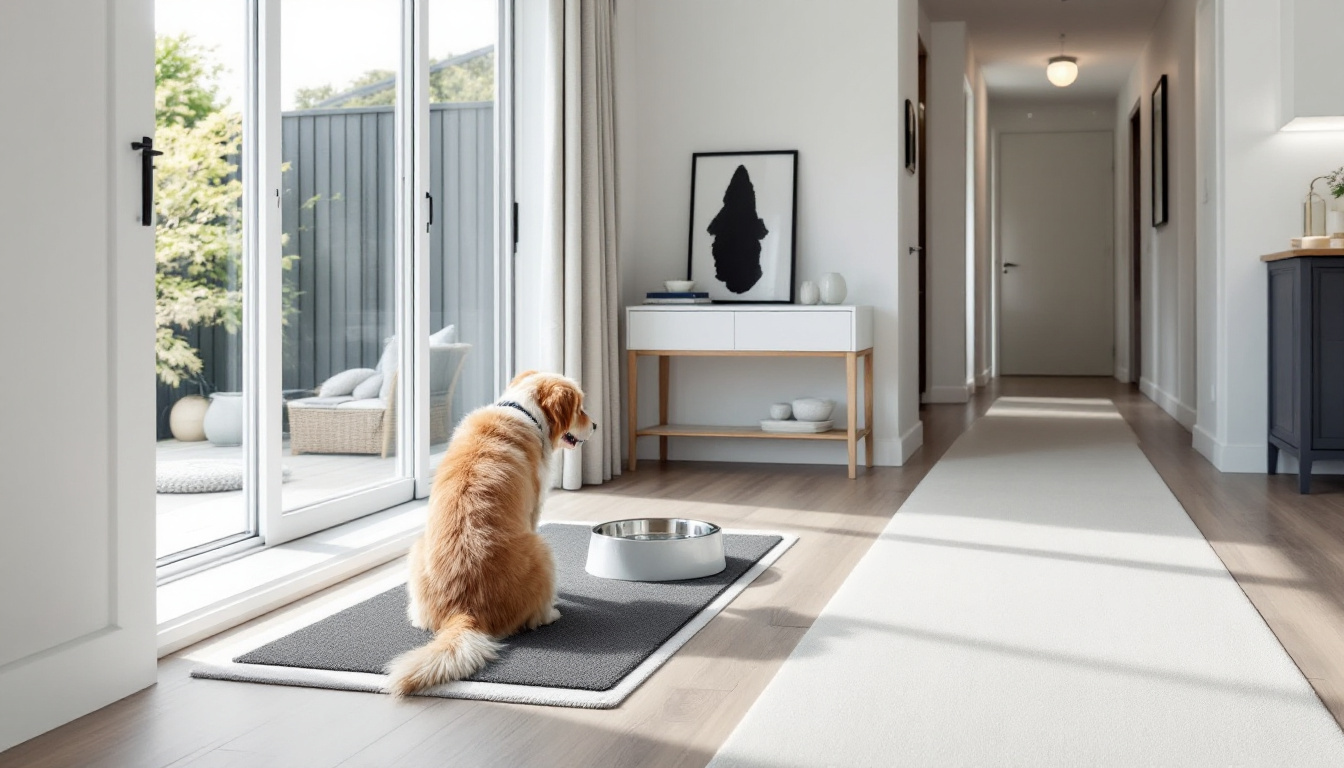
The most demanding square metre was beside the outside door. A large absorbent mat provided enough space for all four paws, while a second mat outside reduced grit before it entered. Door seals, exterior drainage and the threshold were checked because flooring cannot compensate for rain entering through a building defect.
A towel and brush were stored nearby. This made the desired behaviour easy rather than aspirational. The family also avoided leaving a damp mat in place indefinitely. Mats should be lifted and the area checked so moisture is not concealed underneath.
Zone 2: food and water
The water bowl moved onto a stable, washable tray with a raised edge. The tray was not treated as permanent waterproofing, and water was still removed promptly. Its job was to catch everyday splashes and make them visible. A bowl stand reduced pushing and made cleaning around the area easier.
For a pet that regularly tips or plays in water, the household should question whether the selected floor and location are appropriate at all. Moving the station to a more suitable surface can be a smarter design decision than demanding impossible performance from laminate.
Zone 3: the fast turn
The dog's fastest route crossed the corner between the hallway and living room. A compatible, secure runner reduced sudden sliding and concentrated wear. The owners checked that its backing would not stain, react with or trap moisture against the laminate. Adhesive tapes and rubber compounds should not be assumed safe without supplier guidance.
The installer was given the pet plan, not just the floor plan
Before installation, the substrate still needed the normal product-specific checks for flatness, soundness and moisture. Pet ownership does not alter those fundamentals. A water-resistant top surface cannot correct moisture rising from below, and a durable board cannot bridge an unsuitable subfloor indefinitely.
The installer was told where bowls, doors, mats and fixed furniture would sit. This helped the team discuss transitions, perimeter details and the sequence of work. The household also planned to keep pets away during preparation, cutting and installation. That protects animals from tools, dust, adhesives and unsecured materials, and it lets the floor be completed according to the system instructions.
Spare boards from the installed batch were stored flat and dry in an appropriate location. This did not guarantee an invisible future repair, because colours can change with age and replacement depends on access and installation method. It did preserve a better option than trying to find the same profile years later.
The first month proved that routines outperform panic
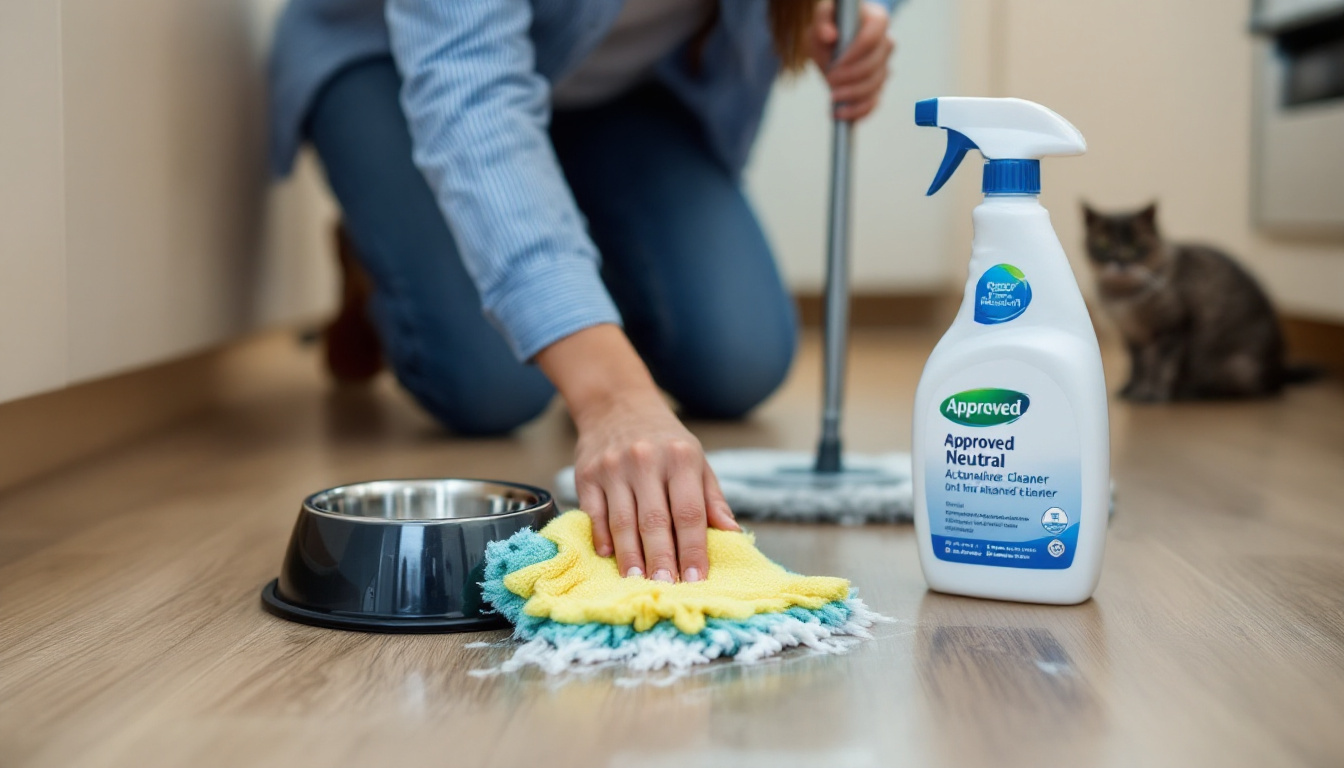
The family established a simple routine. Dry grit and fur were removed with a suitable hard-floor vacuum head. Small spills and pet accidents were dealt with promptly using the method permitted by the care guide. Bowls, mats and the garden threshold were checked regularly. Nobody flooded the floor, used steam without explicit approval, or treated disinfectant as harmless merely because it was sold for pets.
When an accident occurred, the response was calm: remove solids, blot liquid, clean with an approved product and dry the area. Strong chemicals can affect finishes and may be unsafe for animals, so both flooring and product instructions matter. Where hygiene or animal health is the concern, veterinary advice should guide the cleaning need while the flooring supplier confirms compatibility.
The owners also watched the pet rather than only the boards. Repeated slipping, hesitation or difficulty standing is not a cosmetic flooring problem. It may require runners, changed routes or professional advice. A pet-friendly home is one in which the animal can move safely, not simply one whose floor remains unmarked.
What should another pet owner copy from this story?
First, define the events your floor must handle. Count pets, note their size and movement, map outside access, and identify bowls and accident-prone areas. Second, compare exact products using current technical, installation, care and warranty information. Third, test samples for household fit without pretending a home experiment proves product performance.
Then design the environment. Use generous entrance matting, stable bowl stations, compatible runners where traction is needed, and an easy cleaning kit. Plan installation and pet exclusion in advance. Keep spare boards if advised. Finally, accept that claws and daily life can create wear. The aim is a floor that serves the household well, not a surface preserved as evidence that nobody lived there.
Laminate earns a place on the shortlist when the product is suitable for the rooms, the owners understand its limits, and the home can support sensible moisture and grit control. Reject any sales pitch that replaces those details with “pet-proof”. Pets are not a standardised laboratory condition, and neither are homes.
Frequently asked questions
Is laminate flooring suitable for dogs and cats?
It can be suitable when the exact product fits the rooms and household. Compare surface, moisture, care and installation information, then manage claws, grit, bowls and outside access. No laminate should be assumed scratch-proof or accident-proof.
Will dog claws scratch laminate flooring?
Claws can mark a floor, especially when combined with animal weight, sharp turns or trapped grit. Ask for exact product information, maintain claws appropriately and reduce abrasive debris. Do not rely on a universal scratch-proof claim.
Is water-resistant laminate safe around pet bowls?
It may suit a bowl area if the product permits the room and spills are removed promptly. Use a stable washable tray, inspect underneath it and follow current care instructions. Water resistance does not cover unlimited standing water or moisture below the boards.
What laminate colour is easiest with pet hair?
A mid-tone floor with natural pattern variation often makes everyday fur and dust less obvious than a very dark or uniformly pale finish. Compare samples with your pet's fur and the actual room light before choosing. Mid browns in the AquaREPEL range, such as Pale Brown Oak and Dusk Oak, are a sensible place to start.
Can steam cleaners be used on pet-friendly laminate?
Do not assume they can. Steam and excess moisture may be excluded by the product's care instructions. Use only the cleaning methods approved for the exact installed range.
Build the pet plan before ordering the planks. Explore AquaREPEL laminate flooring and request product-specific guidance for your pets, rooms and entrances.