
Euro Wooden Flooring NZ: Compare Wear Layer, Plank Size and Install Method Before You Buy
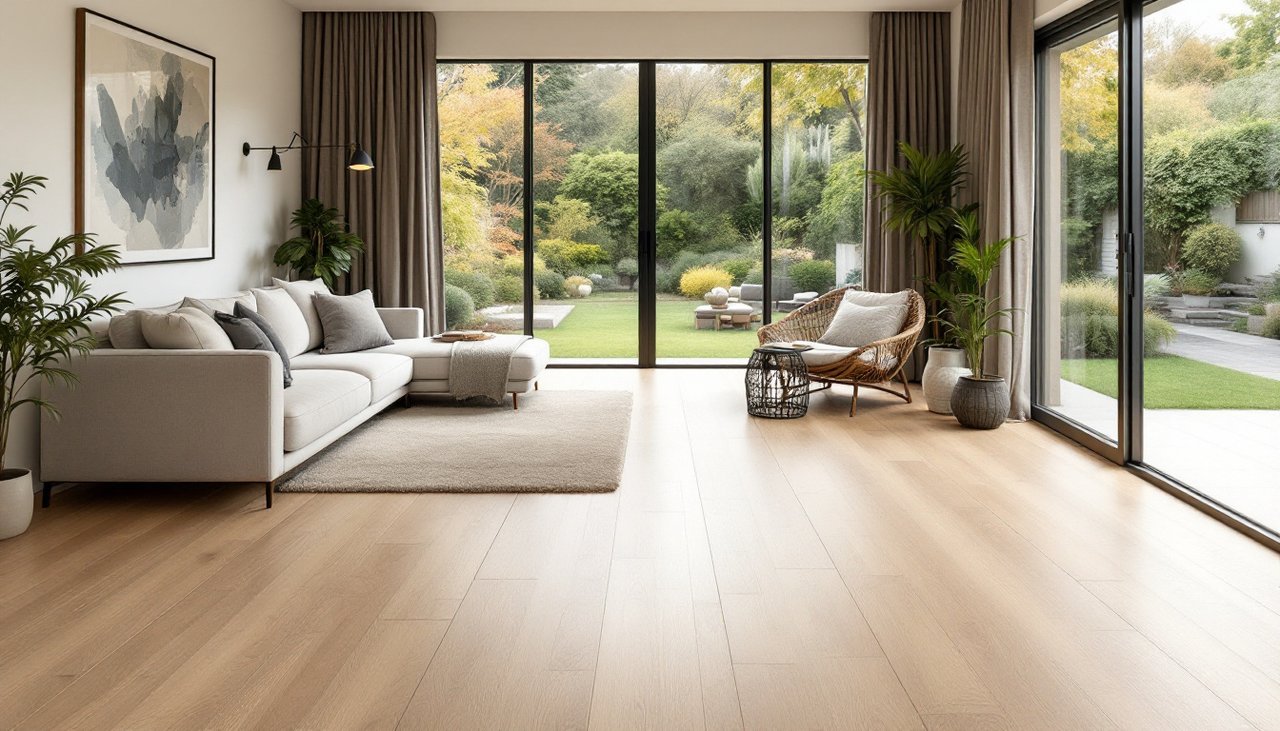
The right euro wooden flooring for a New Zealand home is the board whose wear layer, plank size and installation method suit the room, not just the sample with the nicest colour. Those three lines on the spec sheet decide how much real oak you are paying for, how calm or busy the finished floor looks, and how it is fixed to your subfloor. A 4mm wear layer leaves more oak above the core than a 3mm one, long 2190mm planks give fewer joins in big rooms, and a click joint lets engineered oak be floated or glued down depending on the site.
Below we put each choice side by side, using the specifications listed for our own European oak range, so you can walk into a showroom already knowing which differences matter for your house and which ones you can relax about.
Get the comparison done for you. Send us the colours on your shortlist and the rooms they are going into, and we will reply with the wear layer, plank size and installation options for each board, plus a free measure and quote. Compare your shortlist with our Auckland team.
Euro Wooden Flooring vs an Oak Look: What the Name Should Mean
In New Zealand, euro wooden flooring usually means a board with a real European oak surface. That is different from an oak look, where the grain is a printed decor layer on a fibreboard core. Both can look lovely in a lounge, so it helps to see how they are actually built.
| Engineered European oak | Oak look laminate | |
|---|---|---|
| Surface | Genuine European oak wear layer with a UV cured finish | Printed oak decor under a hard wearing surface |
| Core | Multi layer engineered core | Dense HDF fibreboard |
| Thickness in our range | 15mm | 11mm premium, 12mm AquaREPEL |
| Joint | Valinge click lock | Uniclic click lock, wax sealed on four sides |
| Wear rating | Real timber surface, no AC rating | AC3 premium, AC4 AquaREPEL |
| Factory structural warranty | 30 years | 35 years |
| When it looks tired | Real oak can be refinished if enough wear layer remains | Damaged boards are replaced, not sanded |
Engineered European oak, pros: real grain and knots that never repeat, natural warmth underfoot, and a surface that can be renewed. Cons: softer than an AC rated laminate, so it marks more readily, and it costs more per square metre.
Oak look laminate, pros: a tough, consistent surface, lower upfront cost and a quick floating install. Cons: the grain is a print, and it cannot be sanded back.
Both have a place. You can browse the boards themselves in our engineered hardwood flooring collection and our premium laminate flooring range. The rest of this guide focuses on the engineered oak side, because that is where the spec sheet choices really change what you get.
3mm vs 4mm Wear Layer: How Much Real Oak You Are Buying
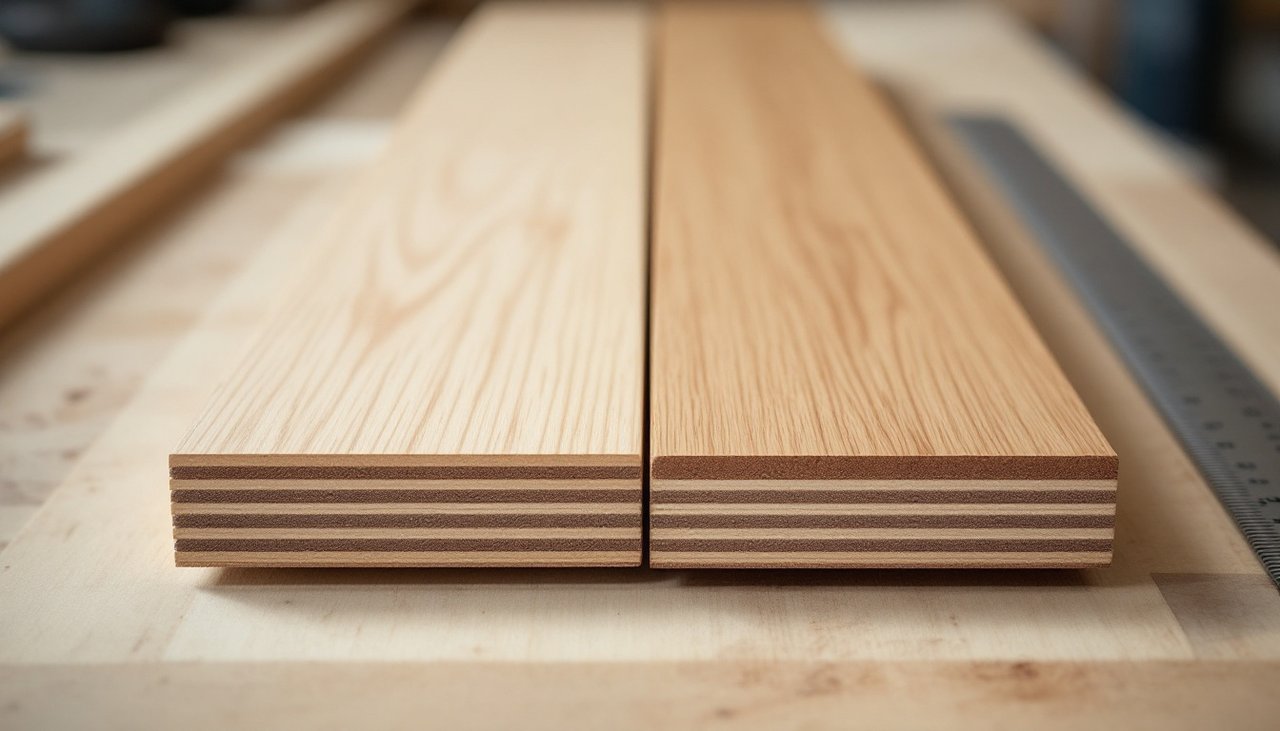
The wear layer is the slice of solid oak bonded on top of the engineered core. It is the part you see and walk on, and it is the only part that can ever be sanded. Every board in our range is 15mm thick overall, but the wear layer varies.
| 3mm wear layer | 4mm wear layer | |
|---|---|---|
| Boards in our range | Oak Nature | Oak Yellowstone, Oak Driftwood, Oak Bordeaux, Oak Twilight, Oak Mocha, Oak Espresso, Oak Wheatfield |
| Look on day one | Real oak surface | Real oak surface, no visible difference |
| Timber above the core | Less | One extra millimetre of oak |
| Future refinishing | Possible if enough oak remains | More margin for a future sand and refinish |
The short answer: on installation day you will not see or feel the difference between 3mm and 4mm. Both are real oak with the same factory finish. The extra millimetre is about the long game. If the floor ever needs a full sand and refinish, a thicker wear layer gives the floor sander more timber to work with.
Whether any engineered floor can be sanded depends on how much wear layer is left, the finish, and why it looks worn in the first place. So treat the 4mm figure as headroom rather than a promise of a set number of refinishes.
Choose 3mm if the colour is right for you and you plan to look after the surface with felt pads, mats and regular cleaning. Choose 4mm if you expect to keep the floor for a long time, or it is going into a busy family space where a refresh one day is likely.
Standard Planks vs Long Wide Planks: 1860mm, 1900mm or 2190mm
Plank size changes the character of a room more than most people expect. Our engineered oak comes in three formats.

| Format | Boards | Where it tends to suit |
|---|---|---|
| 1860mm x 189mm | Oak Bordeaux, Oak Twilight, Oak Espresso | Villas, bungalows, dining rooms, studies, apartments |
| 1900mm x 190mm | Oak Nature | Open plan living, bedrooms, family homes |
| 2190mm x 220mm | Oak Yellowstone, Oak Driftwood, Oak Mocha, Oak Wheatfield | Large living spaces, high stud rooms, long hallways |
Long wide planks, pros: fewer joins across the floor, which gives a calmer, more expansive look. They also show off grain movement and knots, and the rustic and weathered tones in our range come in this size. Cons: in small rooms with lots of doorways and corners, long boards mean more cutting, and the longer the board, the more any dip in the subfloor matters. A careful flatness check before installation is worth it.
Standard planks, pros: easier to lay out in compact or broken up rooms, and the slightly busier pattern of joins suits traditional homes. A 189mm board looks right at home in an Auckland villa or a Wellington bungalow. Cons: in a large open plan space the extra joins can make the floor read as busier.
A simple test: lay three full size boards end to end on the floor of the room at home. Do it with one long format and one standard format, and the right choice is often much easier to see than on a showroom stand.
Floating vs Glue Down: Two Ways to Lay European Oak
Our engineered oak uses a Valinge click lock joint, which means it can go down either as a floating floor over underlay or glued directly to the substrate. Separate installation guides and separate moisture test documents are held for each method.

| Floating installation | Glue down installation | |
|---|---|---|
| How it is fixed | Boards click together and sit on underlay | Boards are bonded to the prepared substrate |
| Feel underfoot | A little more give, depends on the underlay | Solid, close to a traditional timber floor |
| Time on site | Usually quicker, no adhesive to cure | Slower, the adhesive needs time to cure |
| Replacing a damaged board later | Easier, boards can be unclicked | Harder, boards must be cut out |
| Underlay choice matters for | Sound and comfort | Not used in the same way |
Floating, pros: faster, cleaner and easier to repair. Cons: can sound a little more hollow without a good underlay.
Glue down, pros: a solid, quiet feel and a direct bond that suits some substrates. Cons: more preparation, curing time, and a harder job if a board ever needs replacing.
Neither is better everywhere. The right method depends on the substrate, its flatness and moisture, and how the room is used. Our installation team checks those things during the free measure and recommends a method for each room, so you are not left to guess.
Heated vs Unheated Floors: What Changes With Engineered Oak
Our engineered oak is listed as suitable for selected underfloor heating systems. The layered core is more stable through temperature changes than a solid timber plank, which matters if you are planning a heated slab for a cooler city such as Christchurch.
There is a useful number for your heating designer, too. The European test report for our engineered board records a thermal conductivity of 0.096 W/(m·K) for the 15mm sample tested. Heating designers use figures like this to work out how much heat will pass up through the floor.
Heated floor: confirm the heating type, the maximum surface temperature and the room before anything is ordered. An approved combination protects both the floor and the warranty.
Unheated floor: none of those extra checks apply, so the choice comes down to look, wear layer and installation method.
Laminate is different. Compatibility depends on the exact product and heating type, and we do not list it as a blanket feature, so check the data sheet for the range first.
Product Page vs Test Report: Reading the European Paperwork
A product page gives you the headline: thickness, wear layer, joint, warranty and an E1 standard line. A test report tells you how those claims were checked. It is worth knowing what is in each.
For our engineered oak, the downloads page holds an Intertek test report issued in 2020 against EN 14342:2013, the European standard for wood flooring. The sample was a 15mm board with a 3mm oak top layer over spruce and pine layers, installed as a floating click floor. The recorded results include:
| Property | Result in the report |
|---|---|
| Formaldehyde release | Class E1 |
| Reaction to fire | Class Cfl s1 |
| Slip resistance, dry | USRV 58 |
| Thermal conductivity | 0.096 W/(m·K) |
Two practical points. First, a report describes the sample that was tested, so if you are comparing several boards, ask which documents apply to the exact product and format you are buying. Second, both our engineered and AquaREPEL ranges have a BPIR declaration, the building product information statement New Zealand suppliers provide for building products. If your builder or designer asks for paperwork, that is a good place to start.
Product page, pros: quick to read and easy to compare across colours. Cons: a summary, without the method or the sample details. Test report, pros: names the standard, the sample and the result. Cons: longer to read, and it needs matching to the board you choose.
Which Euro Wooden Flooring Suits Your Home?
You have seen both sides of each choice. Here is a simple way to bring them together.
Choose a 4mm, 2190mm x 220mm board if you have a large open plan space or a high stud room, you like visible grain and fewer joins, and you plan to keep the floor for many years. Oak Wheatfield, Oak Mocha, Oak Yellowstone and Oak Driftwood sit here.
Choose a 4mm, 1860mm x 189mm board if you are working with a villa, a bungalow or a set of smaller rooms, and you want a more traditional plank rhythm. Oak Bordeaux, Oak Twilight and Oak Espresso sit here.
Choose Oak Nature if you want a light, natural oak close to its true colour in a 1900mm x 190mm plank, and you are happy to look after a 3mm wear layer well.
Choose oak look laminate instead if the budget is tight, the floor is going into a rental, or you would rather have an AC rated surface than real timber. Water resistant AquaREPEL suits kitchens and entries, while premium laminate is for dry rooms.
Whichever way you lean, ask any supplier four things: the wear layer thickness, the exact plank format, which installation methods are supported for your substrate, and which test documents apply to that specific board. A supplier who answers all four clearly makes the rest of the decision much easier.
Frequently Asked Questions
What is euro wooden flooring?
In New Zealand it usually means flooring with a real European oak surface, most often engineered boards with an oak wear layer over a multi layer core. It is different from oak look laminate, where the grain is printed.
Is a 4mm wear layer better than 3mm?
It is not different on day one, because both are real oak with the same finish. A 4mm wear layer leaves more timber above the core, which gives more margin if the floor is ever sanded and refinished.
Are wide planks harder to install?
Not harder in principle, but long, wide boards make subfloor flatness more important, and small rooms with many doorways can mean more cutting. A proper site check before installation covers both.
Can engineered oak go over underfloor heating?
Our engineered oak is listed as suitable for selected underfloor heating systems. The heating type, surface temperature limit and installation method should be confirmed for the exact board before ordering.
Compare Boards Side by Side Before You Choose
Spec sheets are easier with full size boards in front of you. Send us your shortlist and we will put together a side by side comparison of wear layer, plank size and installation options for each board, arrange samples, and book a free measure and quote for your rooms. You are also welcome to see full size boards at our Rosedale showroom on Arrenway Drive in Auckland. Request your free comparison, measure and quote.