
Engineered Wood vs Solid Timber Flooring in NZ: Which One Should You Choose?
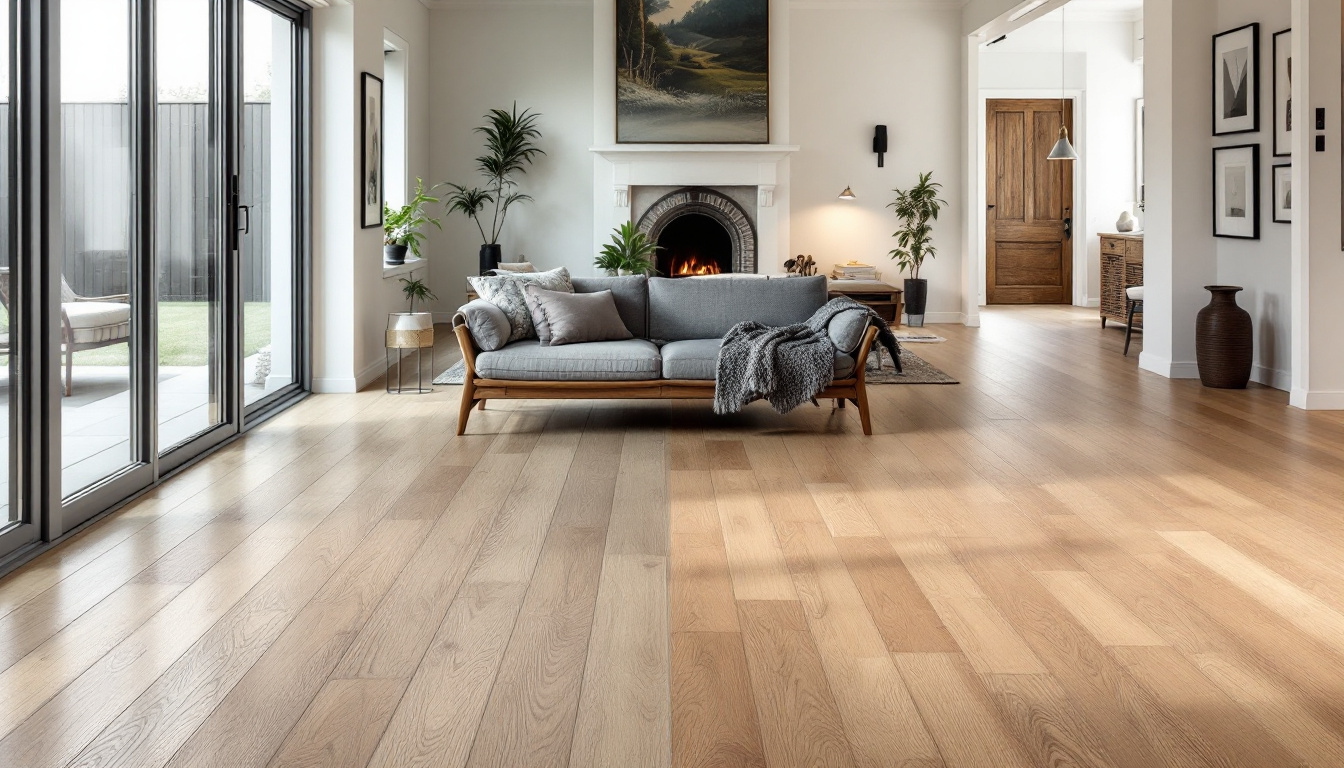
For most Auckland homes, engineered wood is the more practical choice. It gives you a genuine timber surface while its layered construction reduces the dimensional movement associated with a comparable solid board. Solid timber still has a strong case when the project calls for a thick, traditional board that may be sanded repeatedly over a very long service life.
That is the short answer. The right answer for your room still depends on the subfloor, moisture conditions, installation height, finish, board dimensions and what you expect to do with the floor decades from now. “Real wood” is not one uniform category, and choosing by a small colour sample alone is how expensive mistakes begin.
Planning a real-wood floor? Explore Power Dekor’s engineered hardwood flooring collection and request full-size European oak samples before deciding on colour, grade or board format.
First, understand what you are actually comparing
Solid timber flooring is milled from one piece of timber from top to bottom. Its species, grade, machining, moisture content and finish determine how it looks and performs. Depending on the product, it may be supplied unfinished for sanding and coating after installation or factory finished.
Engineered wood flooring has a genuine timber wear layer bonded to a layered core and backing. The visible face is real wood, not a printed timber image. Power Dekor’s engineered range uses a genuine European oak surface over a multi-layer structure, with a factory-applied UV-cured finish.
That distinction matters. Laminate can imitate timber visually, but it does not have a sandable hardwood surface. Engineered wood and solid timber do. However, the amount of real timber above the tongue or core varies by product, so refinishing potential must be checked from the current technical specification rather than assumed.
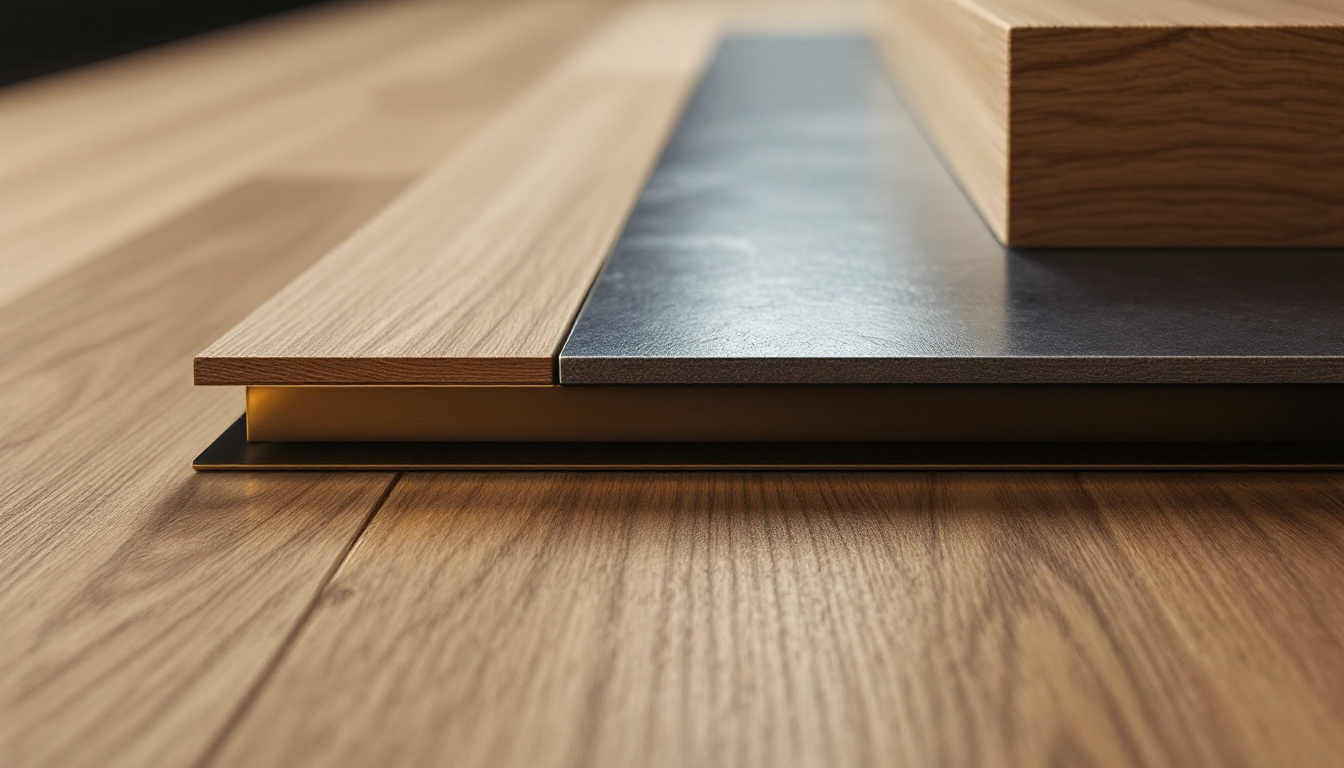
Side-by-side verdict
| Decision factor | Engineered wood | Solid timber |
| --- | --- | --- |
| Visible surface | Genuine timber wear layer | One piece of timber throughout |
| Seasonal movement | Generally more dimensionally stable because of layered construction | More movement as moisture content changes |
| Installation options | Product dependent; may allow floating, glue-down or other approved methods | Commonly fixed by secret nailing or adhesive, product and subfloor dependent |
| Floor build-up | Often useful where total floor height is constrained | Thick boards can increase transitions and door-clearance work |
| Refinishing | Possible only when the wear layer, profile and condition allow it | Usually offers more material for future sanding, subject to board condition and previous sanding |
| Underfloor heating | Selected products may be compatible within stated limits | Compatibility is more restricted and must be specifically approved |
| Moisture tolerance | More stable does not mean waterproof | Not waterproof and still moves with moisture |
| Natural appearance | Real grain, knots and tonal variation | Real grain, knots and tonal variation |
The table is a decision aid, not a product warranty. Exact installation methods, heating limits, coating systems and wet-area suitability come from the selected manufacturer’s instructions.
Why New Zealand moisture conditions belong in the decision
Wood is hygroscopic: it exchanges moisture with the surrounding environment. As moisture content changes, timber expands or contracts. BRANZ identifies moisture mismatch between flooring and the internal environment, high slab moisture and inadequate vapour protection as causes of swelling, cupping, buckling and boards lifting from a concrete slab.
This is why the argument that engineered wood “does not move” is nonsense. It still contains wood. Its advantage is that the layers are arranged to improve stability, reducing the scale of movement compared with a similar solid plank. That can be valuable in Auckland, where a home may move between humid summer conditions, winter heating and different ventilation patterns.
Neither construction fixes a damp building, an unready concrete slab or an unventilated subfloor. BRANZ research on suspended timber floors reaffirmed that inadequate subfloor ventilation can cause moisture to accumulate rapidly in structural framing. The floor covering should be selected only after the moisture source and subfloor condition are understood.
For a renovation, ask three questions before discussing oak colours:
- Is the substrate concrete, plywood, an existing timber floor or another approved surface?
- Has its flatness and moisture condition been measured rather than guessed?
- Can the room maintain the conditions required by the flooring and adhesive manufacturer?
A professional site assessment is less glamorous than choosing a smoked oak finish, but it protects the result that you are paying for.
Where engineered wood has the practical advantage
1. Wider boards with improved stability
Many buyers want wider planks because they show more grain and create a quieter visual rhythm across an open-plan room. As solid boards become wider, dimensional movement needs particularly careful control. An engineered structure makes wide oak formats more practical by stabilising the genuine timber face with its core.
That does not remove the need for perimeter expansion allowances, correct acclimatisation where specified or controlled indoor conditions. It gives the installer a more stable product to work with.
2. More installation flexibility
Engineered flooring may be designed for floating or glue-down installation, and some products can be installed over suitable existing substrates. Solid timber commonly requires mechanical fixing, adhesive or a purpose-prepared system. The correct method is always the one approved for the exact product and subfloor.
Installation height can decide the argument in a renovation. A floor has to meet tiles, carpet, exterior doors, cabinetry and stairs without creating awkward lips. A suitable engineered board may solve a build-up problem more cleanly than a thick solid board and battens. Compare the complete system thickness, including underlay or adhesive, rather than the board alone.
Power Dekor offers professional flooring installation in Auckland, including assessment of subfloor flatness, moisture and the approved fixing method for the selected product.
3. Selected underfloor-heating compatibility
Some engineered products are suitable for approved underfloor-heating systems because their construction handles controlled temperature change more predictably. “Some” is the important word. Compatibility depends on the board, system type, subfloor, installation method, heat-up protocol and maximum surface temperature.
Never let a general blog claim override the product data sheet. Power Dekor confirms compatibility for the selected floor and heating system before installation.
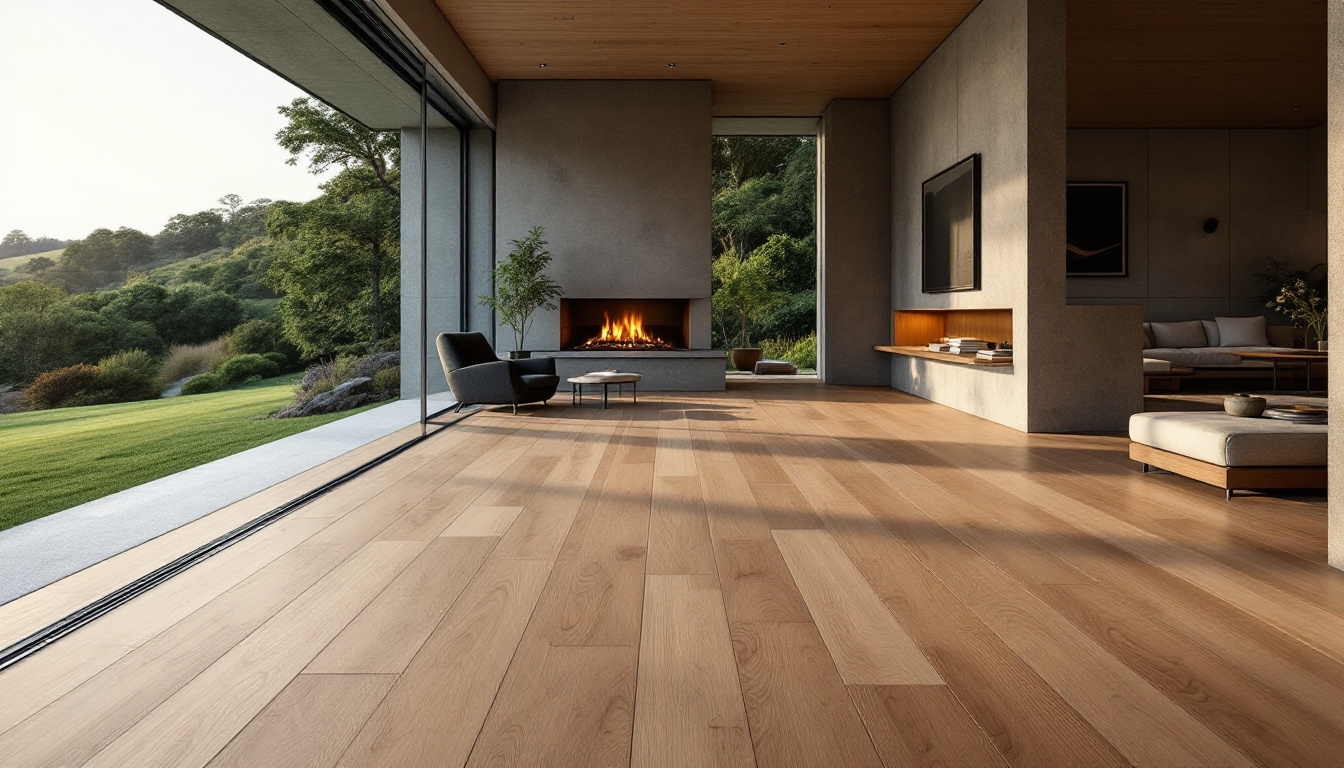
Where solid timber earns its place
1. Maximum future sanding allowance
A thick solid board generally provides more usable timber above its tongue than an engineered board’s wear layer. That can allow repeated sanding and refinishing over a long period, provided previous sanding has not reduced the board too far and there is no structural or moisture damage.
This is not a licence to sand on a timetable. Every aggressive sanding removes wood. A floor that only has surface dullness or light scratches may need cleaning, a maintenance coating or a lighter professional treatment instead.
2. Traditional renovation work
Solid timber can be the right architectural choice when repairing or extending an original tongue-and-groove floor. Matching species, profile, width, thickness and age is specialist work, but a compatible solid board can preserve the logic of a heritage interior better than introducing an unrelated construction.
BRANZ notes that older New Zealand homes commonly used timber floorboards and highlights solid timber’s repairability. Existing boards can sometimes be locally repaired instead of replacing the entire room. That is a genuine advantage when conservation and continuity outrank installation speed.
3. Site-finished customisation
Unfinished solid timber can be sanded and coated after installation, creating a continuous site-finished surface and allowing control over stain and sheen. The trade-off is a longer and messier installation programme, with curing time and site conditions affecting the coating result.
Factory-finished engineered flooring offers consistency and speed. Site-finished solid timber offers more finishing freedom. Neither is universally superior; they solve different priorities.
Appearance: construction does not choose the look for you
Both floors can look authentically beautiful because both can present real timber. Species, grade, cut, stain, brushing, bevel, sheen and board width often affect the visual result more than the words “solid” or “engineered”.
European oak is popular because it accepts a broad range of finishes and offers visible grain with natural variation. One plank may have calm straight grain while another has knots or stronger movement. That variation is a feature of timber, not a printing error. Compare a honey toned board such as Oak Yellowstone with a weathered grey brown such as Oak Driftwood to see how wide the range is.
View multiple full-size boards upright and flat, in daylight and evening light. A small online swatch cannot show the distribution of colour and character across a room. Also ask whether the sample represents the current production batch, since natural material will vary.
Durability is a system, not a species slogan
A durable floor needs the right product, substrate, installation, finish and maintenance. A hard timber surface can still scratch. A tough coating can still wear at entrances. Grit under shoes acts like abrasive paper, chair legs concentrate loads and unattended spills can reach joints.
For either floor:
- use walk-off mats at entrances without trapping moisture beneath them
- fit clean protective pads under movable furniture
- vacuum or sweep grit regularly
- wipe spills promptly
- use cleaning products approved for the finish
- avoid steam cleaners and flooding the surface
- maintain stable indoor conditions within the manufacturer’s range
Pets, children and direct sun do not automatically rule out real wood. They do make colour, grade and finish choices more important. A textured, lower-sheen oak can disguise everyday marks better than a dark, smooth, high-sheen surface.
What about kitchens and other splash-prone rooms?
More stable is not the same as waterproof. Engineered wood and solid timber need prompt spill management and a product-specific assessment before use in areas exposed to water.
New Zealand wet-area compliance also cannot be reduced to a retailer saying a coating is “water resistant”. BRANZ explains that timber and timber-based floor finishes were removed from the E3/AS1 Acceptable Solution list in 2021; a compliant timber wet-area design may require an Alternative Solution and careful specification. Kitchens, laundries and bathrooms should therefore be reviewed as systems, including joints, penetrations, cabinetry, edges and the consequences of leaks.
For a dry living room or bedroom, the question is usually straightforward. For a bathroom, the responsible answer is not a casual yes.
A practical choice framework
Choose engineered wood when you want genuine oak, wide-board options, improved dimensional stability, a factory finish and installation flexibility for a modern Auckland home. It is the default recommendation for most Power Dekor customers comparing real-wood floors.
Choose solid timber when matching an existing traditional floor, maximising the potential future sanding allowance or specifying a site-finished system matters more than installation convenience.
Pause the choice entirely when there is unresolved slab moisture, dampness, movement, inadequate subfloor ventilation or uncertainty about a heated-floor system. Construction type cannot rescue a poor substrate.
Before ordering, get the following in writing:
- board dimensions and total system build-up
- timber species, grade and finish
- wear-layer specification for engineered flooring
- approved installation methods
- substrate and moisture requirements
- underfloor-heating limits, if relevant
- cleaning and maintenance instructions
- warranty exclusions
This list turns a style decision into a buildable specification.
Frequently asked questions
Is engineered wood flooring real timber?
Yes. Engineered wood flooring has a genuine timber wear layer bonded to a stabilising core. It should not be confused with laminate, which uses a decorative image rather than a hardwood wear layer.
Is engineered wood better than solid timber for Auckland homes?
For most modern Auckland interiors, engineered wood is the more practical default because its layered construction improves dimensional stability and may offer more installation options. Solid timber remains valuable for traditional repairs, site-finished projects and maximum long-term sanding allowance.
Can both types be sanded and refinished?
Solid timber can usually be refinished if enough sound wood remains above the tongue. Engineered wood can be refinished only when its remaining wear layer, profile and condition permit it. Obtain the product specification and a professional floor assessment before sanding either one.
Is engineered wood waterproof?
No. Improved stability does not make real wood waterproof. Spills need prompt attention, steam cleaning should be avoided and wet-area use requires product-specific and compliance assessment.
Which option works with underfloor heating?
Selected engineered floors may be approved for compatible underfloor-heating systems. Suitability depends on the exact product, heating system, installation method and temperature controls; confirmation is required before installation.
The bottom line
The best floor is not the one with the strongest sales label. It is the one whose construction, finish and installation system fit the building. For most Auckland projects seeking genuine European oak, engineered wood achieves that balance with fewer compromises than solid timber.
Compare the real boards, not just the category names. Browse Power Dekor engineered hardwood flooring, then request full-size samples or an Auckland installation quote.