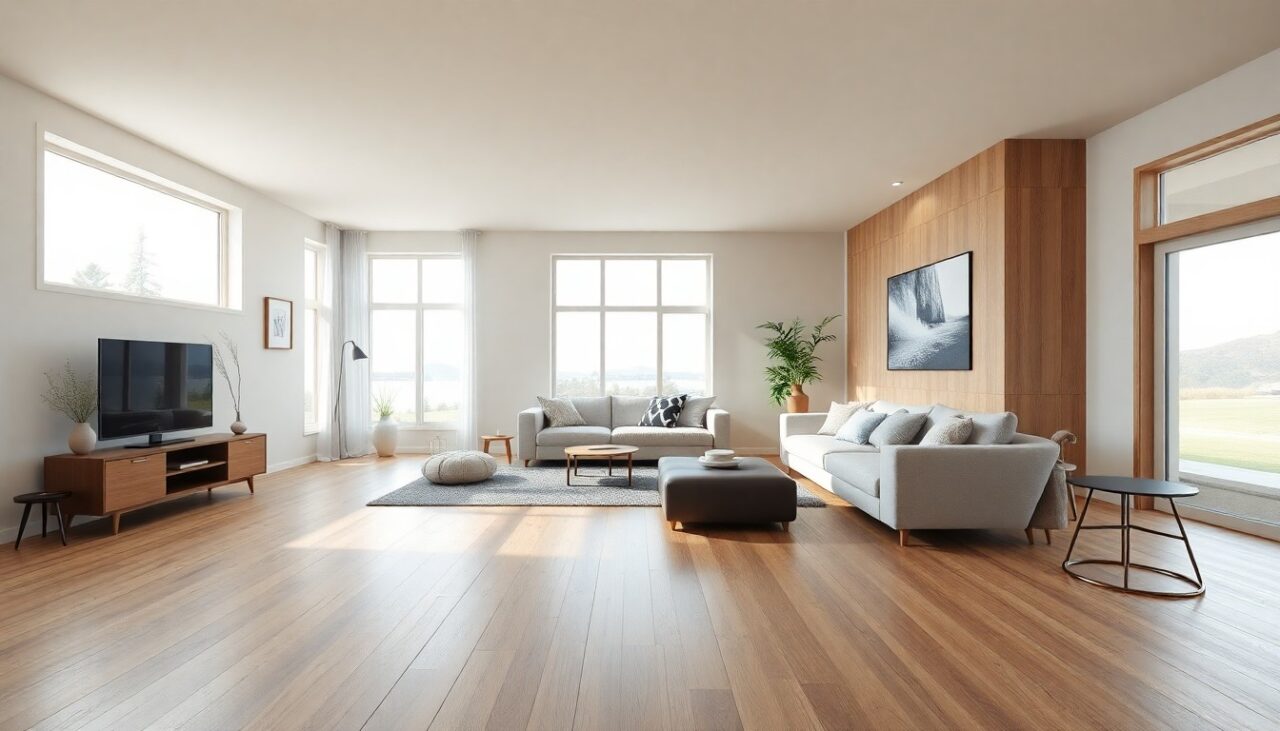
Engineered hardwood gives you the look and feel of real timber with a construction that copes better with New Zealand’s swings in humidity and temperature. Instead of one solid piece of wood, each board is built from a genuine hardwood top layer bonded to a multi-layer core. That structure makes the floor more stable underfoot, which matters in Kiwi homes that move from damp winters to dry, sunny summers. This guide walks through the decisions that actually change the price, the lifespan and the look, so you can shortlist with confidence.
If you would rather talk it through with someone first, you can contact the Power Dekor team for advice tailored to your home before you commit to anything.
What engineered hardwood actually is
An engineered board has two main parts. The top is a layer of real hardwood, most often oak, that you see and walk on. Beneath it sits a core of cross-bonded plywood or high-density layers, with the grain directions set against each other for stability. The result behaves more predictably than solid timber when the air gets damp or dry, while still being genuine wood on the surface.
That stability is the headline reason it has become the default timber choice for New Zealand homes. If you are still weighing it against solid boards, our detailed breakdown of engineered wood versus solid timber covers the trade-offs in full.
- The surface is real hardwood, so it looks and feels like timber.
- The layered core resists cupping and gapping in changing humidity.
- It suits a wider range of rooms and subfloors than solid timber.
1. Wear layer: the number that decides lifespan
The wear layer is the real hardwood veneer on top of the board, usually measured in millimetres. It is the single biggest factor in how long a floor lasts, because a thicker top layer can be sanded back and refinished more times over its life. Each refinish resets the surface rather than forcing a full replacement.
As a rough guide, a thinner veneer suits bedrooms and low-traffic spaces, while a thicker veneer earns its extra cost in hallways, living areas and busy family homes. If you like the idea of refreshing the floor years down the track, ask about veneer thickness early, because it sets the ceiling on how many times you can sand and refinish engineered hardwood later.
- Thicker veneer means more refinishes and a longer usable life.
- Match veneer thickness to the room’s foot traffic.
- Confirm the figure before you buy, since it caps future refinishing.
2. Core construction and stability
The core does the structural work. Cross-bonded plywood cores offer excellent all-round stability, while high-density cores add firmness underfoot. The point of either is dimensional stability: opposing grain directions resist movement when the air shifts between damp and dry. For New Zealand conditions, where coastal humidity and winter heating both come into play, a well-built core is one of the main reasons buyers choose engineered timber over solid boards.
- Cross-bonded cores balance stability and value.
- A quality core resists seasonal cupping and gapping.
- Core quality matters most in homes with big humidity swings.
3. Timber species and grade
Oak is the most popular choice for engineered floors in New Zealand, thanks to its warm tone and tight, forgiving grain. Grade then describes how much natural character shows in the board:
- Select or prime grade: cleaner, more uniform boards with fewer knots, for a calm, contemporary look.
- Natural or rustic grade: more knots, colour variation and grain movement, for a relaxed, characterful feel.
Neither grade is better made than the other; they simply create different moods, and they are often priced differently too. If you want to understand why oak dominates the category, our guide to oak flooring is a useful companion read.
4. Finish: matte, brushed or oiled
The finish changes both appearance and upkeep. Matte and brushed surfaces hide everyday scuffs and footprints better than high-gloss options, which is why they suit homes with kids and pets. Oiled finishes give a soft, natural touch and can be spot-repaired, while lacquered finishes form a tougher protective film over the timber. Think about your household traffic and how much maintenance you want to take on, then match the finish to that.
- Matte and brushed finishes disguise daily wear.
- Oiled finishes feel natural and allow spot repairs.
- Lacquered finishes give a harder, lower-maintenance surface.
5. Plank size and layout
Wider and longer planks make a room feel more open and show off the grain, which is part of why they have become so popular. Narrower boards can suit smaller or more traditional spaces. Whatever width you choose, plan the direction of the boards before installation, since running planks along the longest sightline usually makes a room read larger.
- Wide planks open up a space and highlight the grain.
- Narrow boards suit smaller or period-style rooms.
- Run boards along the longest sightline to lengthen a room.
6. Installation method: floating, glue-down or nail-down
Engineered boards can be installed three main ways, and the right one depends on your subfloor. A floating floor clicks together over an underlay and is the quickest to fit, which keeps labour costs down. Glue-down bonds the boards to the subfloor for a solid feel and is common over concrete. Nail-down fixes the boards to a timber subfloor and is favoured for traditional installs. Your installer will usually recommend a method based on the subfloor, the room and the product.
- Floating is fast to install and budget-friendly.
- Glue-down gives a firm feel and suits concrete subfloors.
- Nail-down is a traditional option over timber subfloors.
7. Underfloor heating compatibility
Engineered hardwood generally works well with underfloor heating, which is one more advantage it holds over solid timber. The stable core handles the gentle temperature changes better than a solid board would. If underfloor heating is part of your plan, confirm the specific product is rated for it and follow the supplier’s maximum surface temperature guidance, since running a floor too hot can affect any timber over time.
- Most engineered ranges are suited to underfloor heating.
- Check the product’s rating before pairing the two.
- Keep within the recommended surface temperature.
8. Acclimatisation and moisture in NZ homes
Timber moves with the moisture in the air, so two steps protect your investment. First, let the boards acclimatise in the room for the period the supplier specifies, so they reach the home’s everyday humidity before they are fixed down. Second, make sure the subfloor is dry and the home is well ventilated, especially in older or coastal properties. New Zealand’s building rules address internal moisture directly, and the Ministry of Business, Innovation and Employment sets out the requirements under the Building Code’s internal moisture provisions, which is useful background when you plan a new floor.
- Acclimatise boards before installation.
- Confirm the subfloor is dry and the room ventilated.
- Pay extra attention in older and coastal homes.
9. Cleaning and maintenance
Day-to-day care is straightforward. Sweep or vacuum to lift grit that can scratch the surface, and clean with a barely damp mop rather than a wet one, since standing water is the enemy of any timber floor. Use felt pads under furniture legs, lift rather than drag heavy items, and wipe up spills promptly. With a thicker wear layer, the option to refinish years later means the floor can be brought back to life rather than replaced.
- Vacuum or sweep regularly to remove abrasive grit.
- Clean with a barely damp mop, not a soaking one.
- Protect against scratches with felt pads under furniture.
10. Suitability by room
Engineered hardwood performs well across living rooms, bedrooms, hallways and dining areas. For genuinely wet zones such as bathrooms and laundries, a purpose-built water-resistant product is usually the safer call. If wet areas are part of your project, compare your choices in our guide to the best flooring for wet areas in NZ homes before you finalise the plan.
11. Budgeting your floor
Engineered hardwood sits across a wide price band depending on veneer thickness, species, grade and finish. Power Dekor engineered ranges start from around $105 per square metre, with premium boards costing more as the veneer and finishing quality step up. Remember to budget for underlay, delivery and installation on top of the board price, and to order a small allowance for cuts and offcuts. You can browse current options across the premium engineered hardwood flooring range.
- Price moves with veneer, species, grade and finish.
- Add underlay, delivery and installation to the board cost.
- Order a small extra allowance for cuts and offcuts.
12. Warranty and what to check before buying
Before you place an order, run through a short checklist. Confirm the wear layer thickness, the warranty length and what it actually covers, the recommended installation method and whether the product is rated for underfloor heating if you need it. Ask for a sample so you can see the colour and finish in your own light, since showroom lighting and home lighting rarely match. A few minutes of checking now saves disappointment later.
- Confirm wear layer, warranty terms and install method.
- Check underfloor heating compatibility if relevant.
- View a sample in your own home’s light before ordering.
How to choose, in short
Start with where the floor is going and how much foot traffic it will see, then set your veneer thickness accordingly. Pick a species and grade that match the mood you want, choose a finish that fits your maintenance appetite, and confirm plank size against your room dimensions. Settle the installation method with your fitter, plan for acclimatisation and moisture control, and read the warranty before you buy. Get those decisions right and the rest tends to fall into place.
Ready to compare boards in person or by sample? Explore the full engineered hardwood flooring collection from Power Dekor, or get in touch for tailored advice on the right floor for your home.
Frequently asked questions
Is engineered hardwood real wood?
Yes. The top layer is genuine hardwood, most often oak, bonded to a stable multi-layer core. You see and feel real timber on the surface.
Can engineered hardwood be sanded and refinished?
In most cases yes, provided the veneer is thick enough. The thicker the top layer, the more times the floor can be refinished over its life.
Is engineered hardwood suitable for New Zealand’s climate?
It is well suited to it. The cross-bonded core resists the cupping and gapping that humidity swings can cause, which is a key reason many Kiwi homeowners prefer it.
Can I install engineered hardwood over underfloor heating?
Usually yes, as long as the specific product is rated for it. Confirm the rating and stay within the recommended surface temperature to protect the timber.
What does engineered hardwood cost in NZ?
Pricing varies with veneer thickness, species, grade and finish. Power Dekor engineered ranges start from around $105 per square metre, before underlay and installation.