
Modern NZ homes need flooring that looks clean, handles busy foot traffic, and doesn’t become a maintenance burden after six months. That’s why many homeowners are comparing laminate flooring solutions for modern homes in New Zealand instead of defaulting to higher-cost timber options.
At PowerDekor, we plan flooring around how people actually live: kids, pets, furniture movement, entry moisture, and renovation timelines. This guide gives you a practical decision framework so you can choose laminate with confidence and avoid expensive rework.
Talk to our team if you want a room-by-room recommendation based on traffic, moisture exposure, and budget range.
Why laminate is still one of the smartest flooring categories for NZ homes
Modern laminate has moved well beyond older “budget board” perceptions. The better systems now combine stable cores, realistic surface textures, and reliable locking mechanisms that suit modern family living.
- Clean timber-look finishes without premium timber pricing
- Practical scratch resistance for pets, kids, and furniture movement
- Fast installation windows for renovation timelines
- Lower maintenance effort than many alternative floor surfaces
For most modern homes, laminate gives the strongest balance between look, practicality, and cost certainty.

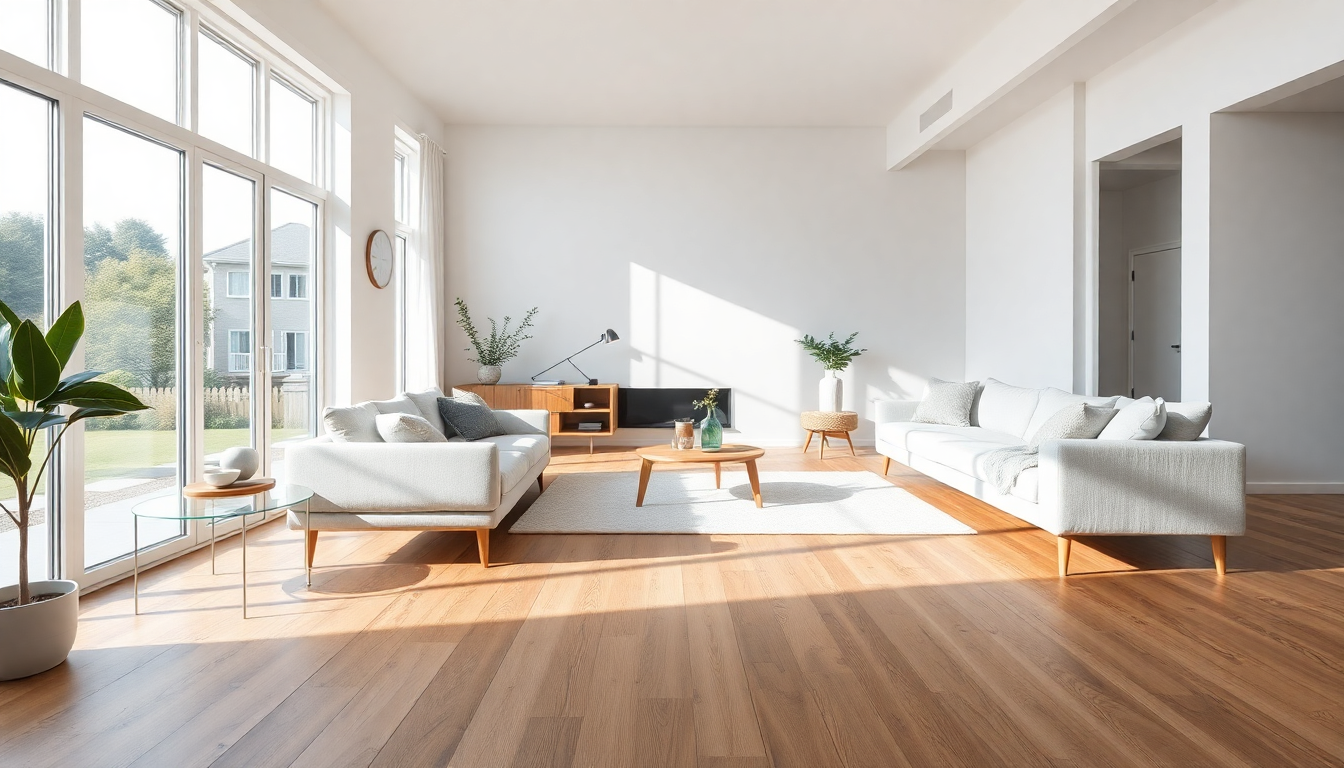
Modern laminate ranges can deliver a premium visual result with practical day-to-day durability.
What defines a good laminate flooring solution in 2026
Not all laminate products perform the same. If you’re choosing for a modern New Zealand home, compare by specification, not marketing language.
Core density and board stability
Board stability matters more than people think. A better core reduces movement risk and helps maintain clean joins over time, especially in lived-in spaces with changing indoor conditions.
Wear layer and surface resilience
High-traffic family homes need stronger wear performance than low-use guest rooms. Choosing the right wear profile protects your finish and delays visible ageing.
Click-lock quality
Better locking systems improve fit, reduce edge movement, and lower post-install callbacks. It’s one of the biggest predictors of long-term satisfaction.
Water-resistant design
For kitchens, entry points, and family-heavy zones, moisture resistance is a non-negotiable selection factor. A suitable water-resistant range adds real-world protection where standard boards can struggle.
Explore: AquaRepel Water-Resistant Laminate Flooring.
Cost planning: the real number vs the marketing number
“Price per square metre” is only the starting point. The decision should be based on total installed cost and expected performance over time.
A realistic project budget includes:
- Board tier and finish level
- Underlay specification
- Trims and transitions
- Subfloor prep and levelling
- Installation labour
- Waste allowance for cuts and pattern flow
Choosing the cheapest board often shifts cost into avoidable rework. Choosing the right board/underlay/install combination usually lowers long-term total cost.
Request a practical quote and get your estimate based on your actual layout, not generic averages.
Best applications in modern NZ homes
Laminate is a strong fit for most dry and medium-moisture interior zones when the product and installation method are appropriate.
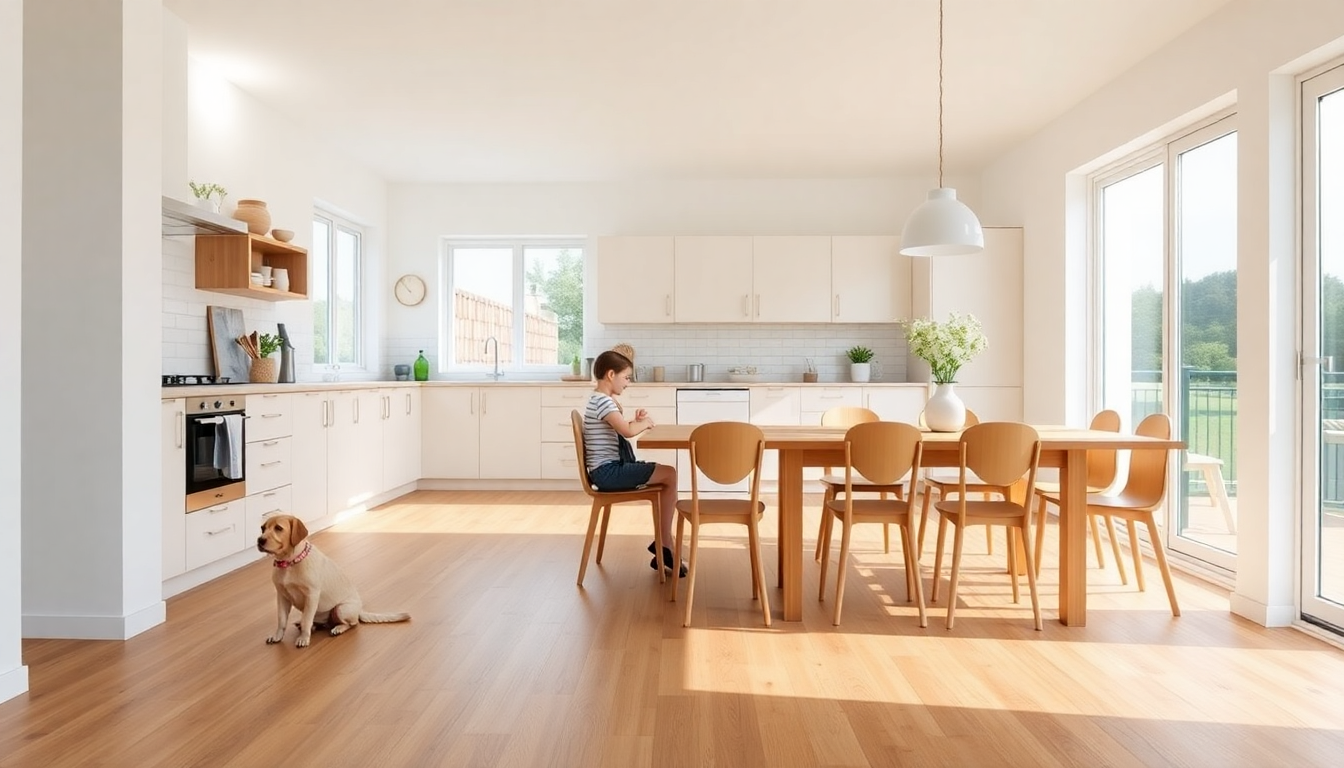
- Open-plan living rooms
- Bedrooms and wardrobes
- Hallways and circulation areas
- Home offices and multipurpose spaces
In higher moisture areas, product specification and edge detailing matter far more than visual style. Match your board to your real use conditions.
If you’re comparing alternatives, also review Engineered Hardwood Flooring.
Installation quality: where good products can still fail
Most flooring disappointment comes from installation shortcuts, not product colour choice. Even premium boards perform poorly when the basics are skipped.
- No acclimatisation before install
- Uneven subfloor left untreated
- Wrong underlay pairing
- Incorrect expansion allowance
- Rushed edge and threshold finishing
Professional installation with a clear scope protects both lifespan and warranty outcomes.
Underlay strategy for comfort, acoustics, and performance
Underlay is not a minor accessory. It affects acoustic feel, foot comfort, minor subfloor tolerance, and overall floor behaviour. If a floor feels hollow or harsh, underlay choice is often part of the issue.
Check these before final sign-off:
- Acoustic suitability for your home type
- Compatibility with board locking system
- Moisture control characteristics where needed
- Installation method alignment
Good underlay improves outcomes; it does not replace proper subfloor preparation.
Design decisions that make laminate look premium
You don’t need the highest price point to achieve a polished result. Most visual quality comes from coordinated design choices.
- Align board direction with dominant natural light where possible
- Use board tone that supports your cabinetry and wall palette
- Keep transitions consistent across connected spaces
- Avoid too many competing wood tones in one zone
- Prefer lower-sheen finishes for practical long-term appearance
With correct planning, laminate can look deliberate and architectural—not “budget-driven.”
Maintenance plan for long-lasting performance
Laminate flooring is low-maintenance, but a consistent routine matters if you want it to keep looking fresh over the long term.
- Dry dust or vacuum frequently
- Use a damp (not wet) mop for regular cleaning
- Clean spills early
- Use felt pads under furniture legs
- Add entry mats in high-traffic access points
Simple habits reduce visible wear and preserve finish quality.
How to choose between laminate and engineered wood in modern builds
Both options can perform well when correctly specified, but they serve different priorities.
- Laminate: stronger value profile, easier maintenance, practical durability
- Engineered wood: real timber top layer, premium tactile feel, different maintenance profile
If you want confidence on cost control and everyday resilience, laminate is often the better call. If authentic timber feel is your top priority and budget is flexible, engineered wood may be preferred.
Compare category options: Premium Laminate Flooring.
Project timeline planning for renovation success
Many flooring projects run late because sequencing is wrong. Laminate installation should be planned around painting, cabinetry, and moisture-producing trades, not squeezed in at the wrong stage.
A practical sequence looks like this:
- Measure and shortlist products
- Subfloor and moisture assessment
- Confirm board + underlay + trims
- Delivery and acclimatisation window
- Installation and detailing
- Final inspection and care briefing
Good sequencing prevents rushed compromises and protects finish quality.
Where possible, confirm your flooring date only after moisture-sensitive works are complete and site cleaning is finished. This avoids contamination, unnecessary movement damage, and avoidable reinstall costs.
Quote checklist before you sign off
Before you approve any quote, use a practical final checklist. This one step prevents most post-install frustration and variation disputes.
- Exact board code, colour, and finish clearly listed
- Underlay type specified (not just “included”)
- Trims, transitions, and stair/edge details itemised
- Subfloor prep scope clearly defined
- Exclusions and assumptions stated in writing
- Installation timeframe and site access requirements confirmed
- Warranty terms linked to installation method
Good documentation protects both you and the installer. If a quote is vague, ask for detail before work starts.
Common style mistakes in modern interiors (and how to avoid them)
Modern homes can look disconnected when flooring style fights against cabinetry, wall tones, and lighting. The most common mistake is selecting a trendy board that does not suit the rest of the interior.
To avoid this:
- Compare full-size board samples in natural daylight
- Review floor tone next to skirting and joinery colour
- Use one coherent timber palette across connected spaces
- Avoid highly glossy dark boards in high-use family zones
A consistent flooring palette makes your entire home feel more deliberate and premium, even when working inside a practical budget.
Final recommendation for modern NZ households
If your priority is a practical timber-look floor with predictable budget and strong daily performance, laminate remains one of the best flooring solutions for modern homes in New Zealand.
The best outcomes come from matching product specification and installation quality to your real home conditions—not from selecting on colour alone.
Contact PowerDekor for a room-by-room recommendation and quote path that avoids expensive rework.
Bring floor-plan measurements, room photos, and a realistic budget range to your consultation. That preparation allows faster product shortlisting and significantly improves quote accuracy from day one.
For homeowners comparing multiple quotes, the smartest move is to ask each supplier for the same specification format: board code, underlay type, trim scope, subfloor assumptions, and installation timeline. Like-for-like comparison removes confusion and helps you choose the option with the best real value, not just the lowest headline price.
Frequently Asked Questions
Is laminate flooring suitable for modern open-plan homes?
Yes. It performs very well in open-plan areas when board quality and underlay are selected for traffic and comfort needs.
How long does laminate flooring usually last in NZ homes?
With correct product choice, professional installation, and sensible maintenance, quality laminate can perform well for many years.
Can laminate be installed over existing floors?
Sometimes. It depends on subfloor condition, level tolerances, transitions, and manufacturer requirements.
What causes most laminate failures?
Poor subfloor prep, wrong underlay pairing, and rushed installation details are the most common causes.
What is the best first step before buying?
Start with your room usage, traffic profile, and budget range, then compare products by specification with professional guidance.